How To Fix Electric Blanket Heating Wire Emitting A Burning Smell?
Do you smell something burning when you switch on your electric blanket? That smell is a warning sign. Your blanket wants you to stop and pay attention.
A burning smell usually points to a bigger problem inside the blanket. It could mean the controller has failed. It could also mean the heating wire has damaged parts.
This issue often comes with another red flag. Your blanket may lose power or stop heating completely. These two problems together mean something serious is happening inside.
The good news? You can figure out what is wrong. You can also learn how to stay safe while doing it.
In a Nutshell
- Stop using the blanket right away. A burning smell means something is wrong inside. Do not wait to see if it gets worse.
- Check the controller first. Most burning smells come from a failed controller. This part often needs replacement, not repair.
- Look for moisture damage. Liquids near electrical parts can cause a burnt odor. Keep your blanket dry at all times.
- Inspect the cord and wire. Look for cracks, heat marks, or exposed wires. Damaged cords are a serious safety risk.
- Plug directly into the wall. Avoid extension cords or power strips. This helps prevent electrical issues.
- Watch for power loss too. If your blanket stops heating and smells burnt, this usually means internal damage. This combination signals it is time to stop use.
Why Electric Blankets Emit a Burning Smell
A burning smell from your electric blanket tells you something inside has failed. The most common culprit is the controller, which is the device that controls heat levels. When the controller breaks down, it can overheat and release that burnt odor.
Moisture exposure is another frequent cause. If liquid spills on your blanket or it gets damp, water can seep into the electrical components. This moisture creates a short circuit, which generates heat and that distinctive burning smell.
The heating wire itself can also emit this odor. If the wire gets damaged or develops a crack, electricity flows through the broken area differently. This causes localized overheating and burning.
Sometimes the cord develops problems too. A damaged cord can have exposed wires or areas where insulation has worn away. When electricity passes through these damaged spots, heat builds up and creates a burnt smell.
Power loss combined with burning smell is especially important to notice. If your blanket stops heating and smells burnt at the same time, internal components have likely failed beyond simple repair. This combination signals that electrical damage has occurred inside.
The burning smell itself means heat is being generated where it should not be. This is not a minor issue or something that will go away on its own. The heat can spread and potentially damage the blanket further or pose a safety risk.
You might see no obvious damage on the surface. The problem could be hidden inside the controller or deep within the wiring. This is why you cannot judge the severity just by looking at the blanket.
Understanding these causes helps you recognize why continuing to use a burnt smelling blanket is dangerous. The smell is your blanket’s way of telling you something critical has broken inside. Stopping use immediately is the safest response.
Immediate Safety Steps to Take When You Smell Burning
When you smell burning from your electric blanket, your first action is to stop using it immediately. This smell is your blanket’s warning system telling you something dangerous is happening inside.
Unplug the blanket from the wall outlet right away. Do not wait to finish warming up. Do not think the smell might go away on its own. Unplugging stops any electrical current flowing through damaged components.
Move the blanket to a safe location away from your bed and other flammable items like curtains or papers. Place it on a hard, non-flammable surface like a tile floor or concrete basement. Keep it away from pets and children who might touch it.
Let the blanket cool down completely before you touch it. A burning smell often means internal components got very hot. Wait at least 30 minutes before handling it.
Check if the blanket is wet or damp. If it is, this explains part of the problem. Moisture inside electrical blankets causes shorts and component failure. Never plug in a wet blanket under any circumstances.
Inspect the power cord carefully while the blanket is unplugged and cool. Look for cracks, dark marks, melted plastic, or exposed wires. These signs mean the cord itself is damaged.
Do not attempt to use the blanket again until you understand what caused the smell. Continuing to use a burning smelling blanket puts you at risk for electrical shock, fire, or burns.
Contact the manufacturer if your blanket is still under warranty. Many companies offer replacement options for units with electrical failures. Keep the blanket unplugged and stored safely while you decide your next steps.
Your safety matters more than staying warm tonight. Taking these immediate steps protects you and your home.
How to Inspect the Controller, Cord, and Heating Wire
Start your inspection by looking at the controller box. This is the device that controls heat settings and connects to your blanket. Unplug everything first and let it cool completely.
Look for discoloration or dark marks on the controller surface. Black or brown spots often indicate internal burning. Check if the plastic casing feels warped or melted. These signs confirm the controller failed internally.
Next, examine the power cord closely. Run your fingers along the entire length while looking for damage. Cracks, splits, or exposed wires are serious red flags. Heat marks that look darker or burnt tell you electricity overheated that section. If the cord feels hard or brittle instead of flexible, internal damage has occurred.
Inspect where the cord connects to the controller. This connection point experiences stress and can loosen over time. A loose connection creates resistance, which generates heat and burning smells. Make sure the connection is tight and shows no burn marks around it.
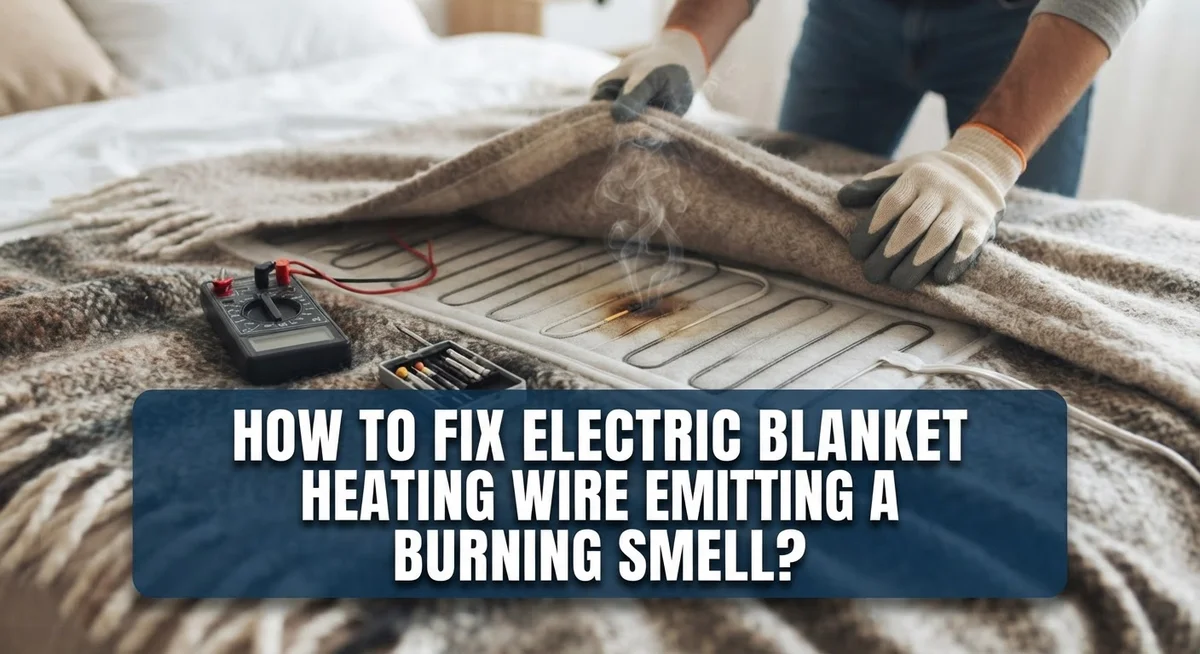
Now check the heating wire inside the blanket itself. Look for any visible breaks or damaged sections. Feel the wire carefully through the fabric for lumps or areas that seem thicker than others. These lumps indicate the wire has melted or fused internally. Some blankets have wire that runs in a grid pattern—trace the path and look for interruptions.
Pay special attention to seams and corners where the heating wire bends. These high stress areas often fail first. If you find any burnt spots, melted areas, or broken wire, the blanket needs replacement.
Document what you find with photos if possible. This information helps if you contact the manufacturer or need warranty support. Never attempt repairs on heating wires yourself. Electrical components inside blankets require professional replacement or disposal.
Step-by-Step Troubleshooting Process
When you detect a burning smell from your electric blanket, act quickly and systematically. Your safety depends on following these steps in order.
First, stop using the blanket immediately. Unplug it from the wall outlet right now. Do not wait to finish using it or plan to use it later. A burning smell means electrical failure is happening inside.
Move the blanket away from your bed and other flammable materials. Keep it away from curtains, papers, and wooden furniture. Let it cool completely before you handle it again. This prevents burns and reduces fire risk.
Once the blanket cools, check if it feels damp or wet. Moisture inside electrical components causes burning smells and controller failure. If the blanket is damp, do not plug it in again.
Inspect the power cord carefully while it remains unplugged. Look for visible damage like cracks, melting, or dark heat marks. Check where the cord connects to the controller box. Run your fingers gently along the entire cord to feel for soft spots or damage.
Examine the controller box itself. Look for discoloration, scorch marks, or dark spots on the surface. These signs show internal burning has occurred.
Check the heating wire by feeling inside the blanket at seams and corners. Look for areas that feel unusually hard or damaged. The wire should feel uniform and smooth throughout.
Take photos of any damage you find. These images help if you contact the manufacturer or need warranty service.
Do not attempt to repair the blanket yourself. Internal electrical repairs are dangerous and often impossible for home users.
Contact the manufacturer with your photos and description of what you found. Most companies offer replacement or repair services for damaged blankets still under warranty.
If the blanket is old or no longer covered, disposal is your safest option. Never use an electric blanket that has emitted a burning smell.
When the Smell Signals a Repair vs. When It Signals Replacement
A burning smell from your electric blanket tells you something is wrong inside. The key question is whether you can fix it or need to replace the entire blanket.
Most burning smells mean you need replacement, not repair. Here’s why. The controller box contains circuits and components soldered together. When these components fail or overheat, they burn. You cannot easily replace individual circuits yourself. The cost of professional repair often exceeds the price of a new blanket.
Repair might work in rare cases. If you find a damaged power cord with visible cracks or melting, you could potentially replace just the cord. Some manufacturers sell replacement cords separately. However, if the burning smell comes from inside the controller box itself, repair is not practical.
Replacement is necessary when you notice these signs. The blanket stops heating completely while smelling burnt. You see dark discoloration or charring on the controller surface. The smell persists even after the blanket cools for several hours. The heating wire feels extremely hot in one specific spot rather than warming evenly.
Safety makes replacement the better choice anyway. A burnt controller indicates internal damage that could cause electrical hazards. Using the blanket again risks fire or electric shock, even if you think the problem is minor.
Before you decide, contact the manufacturer. Many blankets come with warranties covering controller failure. The manufacturer may replace it for free or at a reduced cost. Check your warranty paperwork or the company website.
If your blanket is old or the warranty expired, replacement is your safest option. New blankets include updated safety features and cost less than you might think. Never attempt to repair a burnt controller yourself. The electrical components inside are dangerous to handle without proper training.
Common Mistakes That Make the Problem Worse
When you smell burning from your electric blanket, certain actions make the problem worse. Understanding these mistakes helps you stay safe.
Continuing to use the blanket after smelling burning is the biggest mistake people make. The smell means internal damage is happening right now. Using it further risks electrical shock or fire. Stop immediately when you notice any burnt odor.
Plugging a damp or wet blanket into the outlet causes serious problems. Moisture inside the electrical components creates short circuits. These shorts generate heat and burning smells. Never use your blanket if it feels wet or damp. Let it dry completely before testing it again.
Using extension cords instead of plugging directly into wall outlets adds risk. Extension cords can’t handle the electrical load as safely. This causes overheating in the cord itself. Always plug your blanket straight into a wall outlet for proper power delivery.
Ignoring warning signs makes damage spread faster. If your blanket loses power while smelling burnt, the controller has likely failed. Trying to use it again won’t fix the problem. It will only make internal damage worse.
Attempting DIY repairs on the controller or heating wire is dangerous. The electrical components inside carry high voltage. Opening the blanket or controller box risks serious injury. Leave repair decisions to the manufacturer.
Not inspecting the cord for damage before use creates hazards. Cracks, melting, or dark marks on the cord mean electrical failure is coming. Visible damage means stop using it immediately.
Delaying action after detecting burning smell puts your safety at risk. Every minute you wait allows more internal damage to occur. The longer you wait, the higher your fire risk becomes.
Act fast when you notice burning smells. Unplug immediately, move the blanket away from flammable items, and contact the manufacturer. These simple steps protect you and prevent worse damage.
Preventive Maintenance to Avoid Future Burning Smells
Preventing future burning smells requires simple, regular habits. Check your blanket monthly for any changes in performance or unusual odors. Feel the surface while it’s running to spot hot spots that shouldn’t exist. A blanket should heat evenly without any area feeling significantly hotter than others.
Keep your blanket completely dry at all times. Store it in a cool, dry place away from moisture. Never use it if it gets wet from spills, sweat, or humidity. Water and electricity create dangerous conditions inside the controller and heating wires.
Inspect the power cord regularly before each use. Look for cracks, fraying, discoloration, or areas where the insulation appears worn. A damaged cord can cause internal shorts that lead to burning smells. Replace the entire blanket if the cord shows any signs of damage since cord replacement is rarely safe or practical.
Always plug your blanket directly into a wall outlet. Extension cords add unnecessary risk and can cause voltage problems that stress the electrical components. Direct wall connection ensures stable power flow.
Check all seams and corners of the blanket for loose heating wires or separation from the fabric. These areas experience the most stress and wear over time. Gently feel inside without forcing anything apart.
Clean your blanket according to manufacturer instructions. Dust and debris can accumulate around vents in the controller, trapping heat and causing components to overheat. Proper cleaning keeps air flowing freely.
Rotate where you store your blanket seasonally. This prevents the controller from sitting in one position too long, which can stress internal connections.
Stop using any blanket that shows signs of age like stiffness, brittleness, or previous repairs. Older blankets have worn components more prone to failure. Your safety matters more than extending an aging blanket’s life.
Final Thoughts
A burning smell from your electric blanket is a clear warning sign. It means something inside has failed. Your safety matters more than the blanket itself.
Trust your senses. If you smell something burnt, act fast. Unplug the blanket right away and stop using it completely.
Do not try to guess if it’s safe to continue. The risk of fire or shock is too high. Even a small burning smell can point to serious internal damage.
Most cases require replacement rather than repair. Controllers and heating wires are not easy to fix safely at home. Professional repair often costs more than buying a new blanket.
Think about how old your blanket is too. Older blankets have worn wiring and weaker insulation. This makes them more likely to develop problems over time.
Newer blankets often come with better safety features. Some include automatic shutoff systems that reduce risks like this. Upgrading can give you better peace of mind.
Regular care still plays a huge role in prevention. Keep your blanket dry and inspect it often. Small habits can help you catch problems early.
Store your blanket properly when it’s not in use. Avoid folding it too tightly or crushing the wires inside. Proper storage helps the heating elements last longer.
Remember that your safety always comes first. A burning smell is not something to ignore or wait out. It’s a signal to stop, assess, and take action quickly.
By staying alert and following simple safety steps, you protect yourself and your home. Electric blankets can be safe and comforting when handled correctly.
The key is knowing when to stop, replace, and prevent future issues. Take these steps seriously, and you’ll enjoy a safer, warmer experience every time you use your blanket.
Frequently Asked Questions
Is a burning smell from my electric blanket dangerous?
Yes, a burning smell is a serious warning sign. This odor means electrical components inside your blanket are overheating or failing. Stop using it immediately. A burnt smell combined with no heat means the controller has likely failed. Do not ignore this warning because continued use risks fire or electrical shock.
What causes the controller to burn out?
The controller is the device that regulates heat. It burns out when electrical components inside fail or overheat. Moisture exposure is a common cause. Moisture seeps into the controller and damages circuits. Age also plays a role. Older blankets have controllers that wear out over time. Manufacturing defects can cause premature failure too.
Can I repair the burning smell myself?
No. Do not attempt to fix the controller or heating wire yourself. These repairs require professional expertise and tools you don’t have at home. Opening the blanket yourself creates electrical hazards. Replacement is safer and more reliable than DIY repairs.
Why did my blanket stop heating along with the burning smell?
When you smell burning and lose heat simultaneously, the controller has failed. The controller manages all heating functions. Once it burns out, it cannot generate or regulate heat anymore. This combination of symptoms means your blanket needs replacement, not repair.
How do I know if moisture caused the problem?
Think about recent exposure to liquids. Did you spill something on it? Was it stored in a damp area? Did you wash it improperly? If yes to any of these, moisture likely damaged internal components. Keep your blanket completely dry going forward to prevent this issue.