How to Fix Wearable Exoskeleton Knee Brace Hydraulic Fluid Leaking?
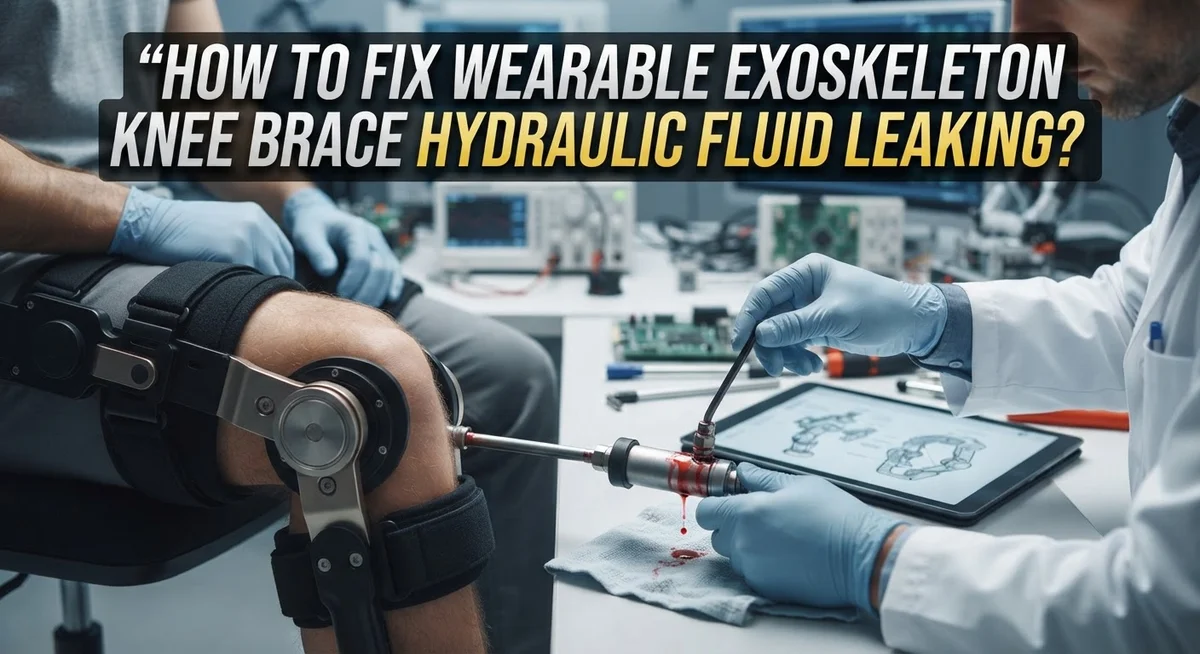
Your wearable exoskeleton knee brace helps you move with less pain. But when hydraulic fluid starts leaking, that support disappears fast.
You might notice a small puddle under your device. Or maybe the joints feel damp and sticky. These are clear signs your hydraulic system needs help.
Don’t panic. Most leaks come from simple problems. Loose connections, worn seals, and small cracks cause most issues. You can fix many of these at home with the right steps.
This guide walks you through the entire process. We will show you how to spot leak signs early. You will learn how to depressurize your system safely first.
We also cover practical fixes like tightening couplings and replacing damaged seals. For neoprene parts, we explain patching methods that actually work.
In a Nutshell
- Depressurize first. Always release pressure from the system before you touch any part. This step keeps you safe during repairs.
- Check connections. Loose nuts and couplings cause most leaks. Tightening them fixes the problem in many cases.
- Inspect seals and lines. Damaged seals or cracked hydraulic lines need replacement. Do not try to patch a badly worn part.
- Use proper repair methods for neoprene. Repair glue works well for small tears. Let patches cure for a full 24 hours before use.
- Test after repairs. Run a pressure test once you finish fixing the leak. This confirms the repair actually worked.
- Know your limits. Structural damage like snapped components needs professional help. Persistent leaks after your fix also mean it’s time to call for support.
- Check your warranty. Manufacturer coverage might handle defects at no cost to you. It’s worth a quick look before you spend money on parts.
Understanding Your Exoskeleton’s Hydraulic System
Your exoskeleton’s hydraulic system works like the brakes in a car. Pressurized fluid flows through tubes and connections to create the force that assists your leg movements. When everything works properly, you feel smooth, powerful support. When something breaks, fluid leaks out and your device loses power.
Understanding how hydraulic pressure works helps you stay safe. The system builds up pressure to move pistons inside the knee joint. This pressure pushes against seals and connections constantly. Over time, wear and tear can loosen these parts or damage the protective seals that keep fluid inside.
Hydraulic fluid serves multiple purposes in your brace. It transfers force from the pump to the actuators. It also cools the system during use. It lubricates moving parts so they slide smoothly. When you lose fluid, you lose all these benefits at once.
The main components you need to know about are: Hydraulic lines carry pressurized fluid between parts. Couplings connect these lines together. Seals prevent fluid from escaping at joints. Pistons use the fluid pressure to create movement. Pumps generate the pressure that makes everything work.
Most leaks happen at connection points rather than inside the lines themselves. Vibration from walking gradually loosens nuts and bolts. Temperature changes make materials expand and contract. This movement can crack seals or create tiny gaps where fluid escapes.
Recognizing these basic facts helps you diagnose problems faster. You’ll know where to look first. You’ll understand why depressurizing matters before you touch anything. This knowledge keeps you safe and helps you fix issues before they get worse.
Signs and Symptoms of Hydraulic Fluid Leaks
Your exoskeleton knee brace sends out clear warning signs when hydraulic fluid starts leaking. Learning to spot these signals early helps you fix problems before they get worse.
Visible fluid pooling is the most obvious sign. Check the ground beneath your device after wearing it. You might see small drops or a wet spot where you stored the brace. Even a tiny puddle means something is wrong inside the system.
Dampness around joints and couplings tells you exactly where the leak comes from. Run your fingers along connection points where hydraulic lines attach. Feel for moisture or sticky residue. These areas get wet first because pressure forces fluid out through gaps and loose connections.
Reduced hydraulic assistance feels different when you move. Your brace should support your leg smoothly. When fluid leaks out, the system loses pressure. You might notice your knee doesn’t get the same lift or support you normally feel. The device feels weaker or less responsive than usual.
Unusual sounds sometimes accompany leaks. Listen for hissing or whistling noises. These sounds mean pressurized fluid is escaping through a crack or gap. The system struggles to maintain pressure when fluid escapes.
Sticky or oily residue on your skin or clothing points to hydraulic fluid. The fluid has a distinctive smell and feel. If you notice oily marks on your leg after wearing the brace, a leak is definitely present.
Slower response times develop gradually. Your exoskeleton takes longer to react to your movements. This happens because the hydraulic system cannot build up enough pressure to work properly.
Catching these signs early makes repairs much easier and faster.
Identifying the Source of the Leak
Finding where your hydraulic fluid leaks is the first step to fixing your exoskeleton knee brace. You need to locate the exact source before you can repair it.
Start by looking for visible fluid pooling underneath your device. This is the clearest sign something is wrong. Check the ground or floor where you store or wear your brace. Even small puddles tell you the leak exists.
Next, inspect all the joints and connection points carefully. Run your fingers around where hydraulic lines connect to the main body. Dampness or oily residue on your skin shows you found the problem area. Pay special attention to nuts and couplings because these are the most common leak sources.
Look for structural damage too. Cracks in the brace material or visible breaks in hydraulic lines mean you have a serious problem. Small cracks sometimes leak slowly at first, then get worse over time.
Check how your brace performs during use. If the hydraulic assistance feels weaker than normal, a leak is likely reducing system pressure. You might notice slower response times when you move your leg.
Examine the neoprene components and straps for sticky or oily spots. Hydraulic fluid leaves behind a distinctive residue that feels slippery to touch.
Once you identify the leak location, write it down or take a photo. This information helps you decide whether you can handle the repair yourself or need professional help. Most leaks at connection points are fixable at home. Structural damage usually requires expert assistance.
Step-by-Step Guide to Fixing the Leak
Before you touch anything, depressurize the hydraulic system completely. This step keeps you safe from sudden pressure release. Most exoskeletons have a release valve you can locate in your user manual. Turn it slowly and listen for air escaping. Wait at least two minutes after the hissing stops.
Next, tighten all loose connections around the leak area. Use the appropriate wrench size for your brace model. Turn each coupling clockwise about a quarter turn. Don’t force it. Many leaks stop here because connections naturally loosen during regular use.
If tightening doesn’t work, inspect the hydraulic seals where fluid actually enters and exits. Damaged seals look cracked or flattened. You’ll need to replace these rubber components. Your manual shows you exactly which seals match your model.
For neoprene component leaks, the repair process differs slightly. Clean the damaged area with a dry cloth first. Apply repair glue designed for flexible materials to any small tears or punctures. Follow the cure time instructions carefully, usually 24 hours.
Replace hydraulic lines if you spot visible cracks or punctures in the tubing itself. Measure the old line diameter and length before ordering a replacement. Install the new line using the same connection points.
After completing any repair, pressure test your system before wearing the brace. Activate the hydraulic assistance slowly and watch for new leaks. Check fluid levels according to your manual. If fluid leaks reappear within hours, the problem runs deeper than simple fixes. Stop using the brace and contact the manufacturer or a qualified technician for professional inspection.
Repairing Neoprene and Seal Components
Neoprene and seal components are critical parts of your exoskeleton knee brace. These materials prevent hydraulic fluid from escaping at connection points and joints.
Neoprene degrades over time due to pressure, temperature changes, and constant movement. When neoprene fails, hydraulic fluid seeps through microscopic tears. You’ll notice dampness around the affected area first.
Seals work differently than neoprene. Seals are rubber or synthetic rings that create airtight connections between metal parts. A damaged seal allows pressurized fluid to leak past the connection point. Seals fail when they become brittle, cracked, or misaligned during assembly.
To repair neoprene components, you need to clean the damaged area thoroughly. Remove any dirt, old glue, or dried hydraulic fluid. Let the surface dry completely before applying repair adhesive. Apply a thin, even layer across the damaged section. Press a patch firmly over the repair area and hold it steady for several minutes. Allow the full cure time before using your brace again, typically 24 hours.
Replacing seals requires more precision. You must depressurize the system first to avoid injury. Locate the seal housing and carefully remove the old seal using appropriate tools. Clean the seal cavity completely. Install the new seal, ensuring it sits evenly in the groove. Tighten the connection gradually and uniformly to avoid pinching the seal.
Both repairs demand patience and attention to detail. Rushing either process creates bigger problems later. If you feel uncomfortable performing these repairs yourself, contact the manufacturer or a qualified technician. They can assess whether your components need replacement or if professional restoration is necessary.
Common Mistakes to Avoid During Repair
Avoiding mistakes during repair saves you time and prevents further damage to your exoskeleton knee brace. The most dangerous error is tightening connections while the hydraulic system remains pressurized. Pressurized fluid can spray out forcefully and cause injury. Always depressurize completely before touching any bolts or couplings.
Another common mistake is ignoring early warning signs and letting small leaks worsen. A minor drip today becomes a major system failure tomorrow. Address leaks immediately when you first notice them.
Don’t skip the pressure testing step after your repair is complete. Many people assume their fix worked without actually testing it. Your brace might leak again during use if you skip this crucial verification.
Rushing through seal replacement is another frequent error. Seals require careful handling and proper alignment. Forcing a seal into place damages it and creates new leaks. Take your time during installation.
Mixing different hydraulic fluid types is a mistake that ruins your system. Use only the fluid type specified for your device. Incompatible fluids damage seals and reduce performance.
Failing to clean the damaged area before repair causes problems too. Dirt and debris prevent proper sealing and adhesion. Clean thoroughly with appropriate materials before applying any fixes.
Don’t overtighten connections in frustration. Excessive force strips threads and warps components. Tighten firmly but stop when you feel solid resistance.
Finally, avoid working on your brace without proper lighting and workspace. Poor visibility leads to missed damage and incorrect repairs. Set up a clean, well lit area before starting any work on your device.
Preventive Maintenance to Stop Future Leaks
Preventive maintenance stops future leaks before they start. Regular inspections catch problems early. Check your knee brace connections every week for any signs of looseness.
Inspect all hydraulic connection points carefully. Look for small beads of fluid around couplings and joints. Tighten any loose nuts or fittings by hand first, then use the appropriate wrench. Hand tightening often reveals which connections need attention.
Keep your hydraulic system clean at all times. Dirt and debris contaminate the fluid and damage seals faster. Wipe down the exterior of your brace weekly with a dry cloth. Store your brace in a clean, dry location away from extreme temperatures.
Temperature changes cause seals to expand and contract. This movement creates tiny gaps where fluid escapes. Keep your brace in a stable environment between storage sessions. Avoid leaving it in hot cars or cold garages.
Monitor your hydraulic fluid level regularly. Most knee braces have a sight glass or inspection port. Check the fluid color too. Dark or cloudy fluid indicates contamination and needs replacement. Clean fluid appears clear or slightly amber.
Replace worn seals before they fail completely. Seals naturally degrade over time from pressure and movement. Don’t wait for leaks to appear. Preventive seal replacement costs less than emergency repairs.
Test your system pressure monthly if possible. Pressure drops signal developing problems. Many repair shops offer free pressure testing services.
Document your maintenance activities in a simple log. Write down inspection dates, fluid levels, and any tightening work. This record helps you spot patterns. You’ll notice if leaks return in the same location repeatedly. Regular attention keeps your exoskeleton knee brace working reliably for years.
When to Contact a Professional or Manufacturer
A hydraulic leak that persists after your initial repair attempts signals a deeper problem. You should contact a professional or the manufacturer when you notice the fluid continues to escape despite tightening connections and replacing visible seals.
Structural damage requires expert intervention. If you see cracks in the hydraulic lines, bent tubing, or snapped coupling points, stop working on the brace immediately. These issues need specialized equipment and expertise to fix safely. Attempting repairs on damaged structural components can make the problem worse and create safety hazards.
Manufacturer warranty coverage often applies to hydraulic system failures. Check your documentation to see if defects are covered under your purchase agreement. Most manufacturers offer repair or replacement services for faulty components. Contact their customer support team with photos of the leak and a description of when it started.
Professional technicians have diagnostic tools you don’t have at home. They can pressurize the system safely and identify hidden leak sources. They also have access to replacement parts that match your specific exoskeleton model exactly.
If the leak appears suddenly after normal use, this suggests an internal failure rather than wear and tear. Document when the leak started and what you were doing when you noticed it. This information helps professionals understand the problem faster.
Don’t delay contacting support if you feel uncertain about any repair step. Working on hydraulic systems incorrectly can damage your health and your equipment. Professional help ensures your knee brace returns to safe, reliable operation. Most manufacturers respond quickly to leak reports since this affects user safety directly.
Final Thoughts
Fixing a hydraulic fluid leak in your knee exoskeleton brace does not need to feel overwhelming. Most leaks come from loose connections or worn seals. You can handle these issues with patience and the right steps.
Depressurizing the system first remains the most important safety step. Skipping this step puts you at risk. Always check that pressure has released before you touch any part.
Small fixes like tightening couplings solve many leak problems. But if your brace shows structural cracks or snapped parts, stop and seek professional help. These issues need expert tools and training.
Your brace supports your movement and daily activities. A well maintained hydraulic system keeps you safe and comfortable. Taking leaks seriously protects both you and your equipment investment.
Regular checks make a real difference over time. Catching small leaks early saves you from bigger repairs later. Make inspection a habit, not an afterthought.
Remember that patches and seals need proper cure time. Rushing this process leads to repeat leaks. Give your repairs the time they need to set correctly.
If you feel unsure about any repair step, reach out to your manufacturer. Many warranties cover hydraulic defects and system failures. This support exists to help you, so use it.
Every exoskeleton brace works best when its hydraulic system stays tight and clean. Small efforts today prevent bigger headaches tomorrow. Your device performs better when you treat it well.
Fixing hydraulic leaks becomes simple once you understand the basics. Stay alert to warning signs and act fast. Your brace will reward you with steady, reliable performance for years to come.
Frequently Asked Questions
What causes hydraulic fluid to leak from my knee exoskeleton?
Hydraulic leaks happen when seals wear out, connections loosen, or lines develop cracks. Loose nuts and couplings are the most common culprits. Temperature changes make seals expand and shrink, which creates gaps over time.
Debris inside the system also damages seals faster. If your brace sits unused for long periods, seals can degrade from lack of use. Always check your connections during regular inspections.
How do I know if my hydraulic system is actually leaking?
Look for fluid pooling under your brace when you take it off. You might see dampness around the joints and couplings. Your brace may feel less responsive or lose its hydraulic assistance during use.
Wipe the outside of your brace with a clean cloth. Then wear it for 30 minutes and check again. If new fluid appears, you have a leak that needs attention.
Is it safe to tighten connections myself?
Yes, but only after you depressurize the system first. Pressurized hydraulic fluid can cause serious injuries if it escapes suddenly. Always release pressure before touching any connections or seals.
Use the correct wrench size to avoid stripping bolts. Tighten gently and evenly. If fluid still leaks after tightening, the seal itself needs replacement.
What should I do if tightening doesn’t stop the leak?
The seal or hydraulic line likely needs replacement. Small tears in neoprene components can be patched with repair glue and patches. These patches require a 24-hour cure time before you use your brace again.
If you see structural cracks in the tubing or bent components, contact the manufacturer. These repairs require professional tools and expertise that you cannot do at home safely.

Welcome to The File Fix. I’m Millie, and I review tech so you don’t have to suffer buyer’s remorse.
Navigating the endless sea of Amazon devices and gadget releases can feel like a full-time job. That’s why I do the heavy lifting. I dig past the unreliable 5-star reviews and shiny spec sheets to test how these devices actually hold up in the real world. Whether you’re looking for the best budget earbuds, a reliable power bank, or the latest smart home gear, you’ll find honest, no-nonsense breakdowns here.