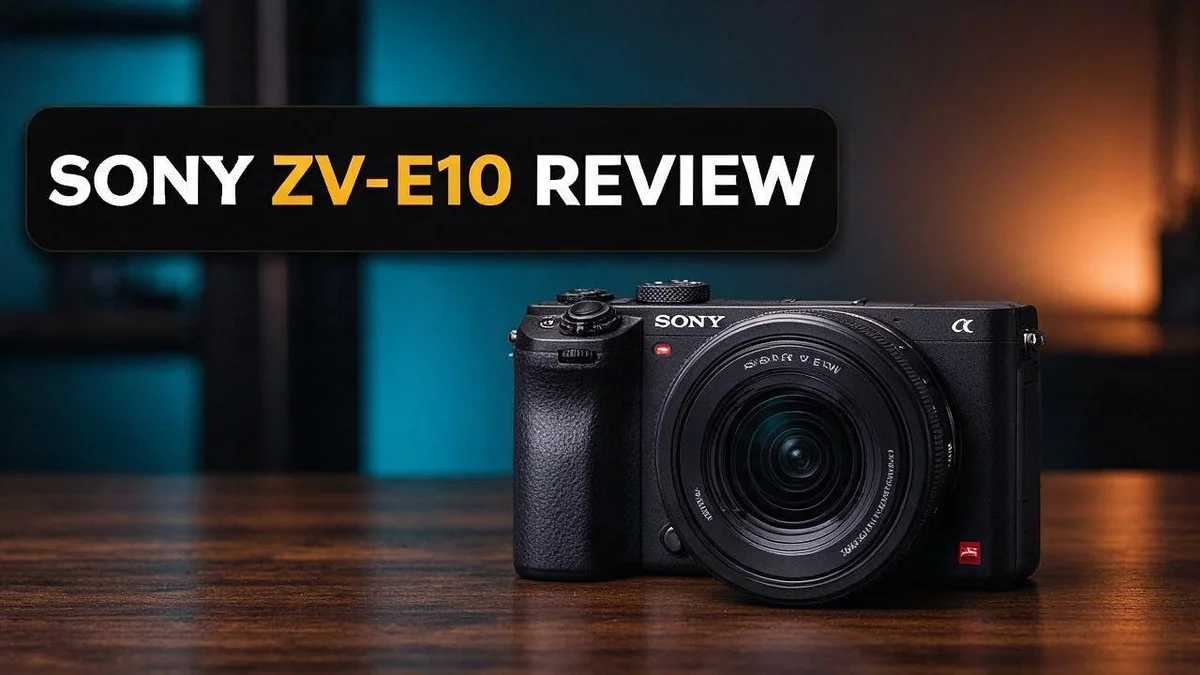
Sony ZV-E10 Review: Video Quality, Audio Ports, and Is It Worth Buying?
Are you searching for a compact camera that handles video well? The Sony ZV-E10 could be your match. It uses a crop sensor and swaps lenses easily.
It records 4K video and includes a 3.5mm mic input. You also get a headphone jack for audio monitoring. Many creators appreciate these open audio connections.
Reviewers praise its video quality, but results can vary. One user found the image quality no better than an iPhone 16 Pro. Rivals like the Fujifilm X-S10 offer more megapixels and faster shooting.
This review breaks down the key features, real strengths, and honest drawbacks. Keep reading to see whether the ZV-E10 fits your creative goals and daily shooting style.
In a Nutshell
-
Compact body with swappable lenses: The Sony ZV-E10 is an entry-level APS-C camera. Its interchangeable lens system lets you grow your kit over time. The listed kit lens covers a range from 10mm to 20mm at f/4.
-
Built for audio: A 3.5mm mic input and headphone jack let you monitor sound as you record. This helps you catch problems before they ruin a clip. Good audio often matters as much as good visuals.
-
Strong video focus: The camera shoots 4K video, and reviewers praise its video quality. Results can vary, so test your own footage before you decide.
-
Open audio connections: Standard audio ports give you more freedom with outside microphones. You are not locked into one brand’s accessories.
-
Honest drawbacks: One user says the image quality is not better than an iPhone 16 Pro. Creators who expect a major leap in image quality may feel let down.
-
Strong rivals to compare: The Fujifilm X-S10 offers more megapixels, faster shooting, and a wider lens range. Other options include the Canon R50 V, the Canon PowerShot V1, and the Sony ZV-E10 II successor.
Image and Video Quality

- Sony ZV-E10 Camera, Sony 16-50mm OSS II Lens, DJI Mic Mini Dual Mic Kit with Charging Case, 2 Transmitters with Windscreens, Receiver, Sony NP-FW50 Battery, Spare Battery, Charger, Carrying Bag, LED Video Light, Wireless Grip/Mini Tripod, Remote, Sony Strap, Camera Windscreen, Cleaning Kit, Air Blower, Movavi Video Editor, Movavi Photo Editor
- CREATOR-READY 4K CAMERA: Sony ZV-E10 features a 24.2MP APS-C sensor, UHD 4K recording, fast autofocus and a flip-out screen for vlogs, livestreams and everyday photography.
Some of the links on this website are affiliate links, which means that at no additional cost to you, I earn a commission if you click through and make a purchase. I only recommend products and services that I believe will add value to my readers. Thank you for your support!
Image quality matters just as much as sound for most creators. The Sony ZV-E10 gives you a solid base, but the final look depends on how you use it.
Lens choice shapes the picture. The kit lens covers a 10 to 20mm f/4 range. That wide view fits you, a room, or a small group into one frame. It also suits travel scenes and open landscapes.
Light makes the biggest difference. Soft natural light brings out detail and pleasing skin tones. Shooting near a window often beats any camera setting. Harsh overhead light can flatten faces and wash out colors.
Manual settings give you control. Auto modes work well for quick clips. Manual exposure and white balance keep your footage consistent across a shoot. Locking white balance stops colors from shifting when the light changes.
Backgrounds need a plan. Clutter behind your subject pulls attention away from you. Plain walls, bookshelves, or a few plants create a cleaner frame. Move a few steps away from the wall to add depth.
Test before you commit. Record a short clip in the same place you plan to film. Watch it on a large screen. Check sharpness, noise in dark corners, and how faces look. This quick test tells you more than any spec sheet.
Think about where people watch. Social feeds compress video, so fine details can soften after upload. Clean lighting and simple scenes hold up better. Busy patterns can shimmer or blur on small phone screens.
Color editing adds polish. Simple editing apps can lift contrast and warm up skin tones. Small changes go a long way, so avoid heavy filters that look fake.
Expect a learning curve. Your first clips may look flat or uneven. Practice with exposure, framing, and focus builds skill fast. Many creators see steady gains after a few weeks of regular shooting.
The camera rewards patience. With good light, clean backgrounds, and steady settings, the ZV-E10 can produce footage that looks polished. Your skills matter as much as the hardware.
Audio Inputs and Monitoring
Clear sound keeps viewers watching. Many creators focus on the picture and forget the audio. Listening while you record solves that problem.
Plug in your headphones before you press record. Then you can hear wind, hums, or rustling clothes right away. Fixing these issues on set saves hours of editing later.
Set your headphone volume to a comfortable level. Too loud can harm your hearing over time. Too quiet means you may miss small noises.
Aim for a level that lets you hear your voice clearly without strain.
Mic placement changes everything. Keep the microphone close to your mouth, about an arm’s length or less. Point it toward your face so your voice stays strong and room sounds stay soft.
Check your audio levels often. Look at the level meters on the screen before you start.
Your voice should sit in the middle range. If the meter hits the top, the sound can distort. Lower the input level or move the mic a little farther away.
Use a windscreen when you film outside. Even a light breeze can cause rough rumbling. A foam cover softens that noise and keeps your voice smooth.
Record a short test clip first. Play it back with headphones and listen for background noise, echo, or cut-off words. Make changes, then record again. This quick check builds confidence before a longer shoot.
Think about your room too. Hard walls and bare floors bounce sound back and create echo. Soft items like curtains, rugs, and cushions absorb extra noise. Small changes can make your recordings sound much cleaner.
Keep your cables neat. Loose cords can tap or pull on the mic. Tape the cable to a stand or desk to reduce unwanted sounds.
Your ears catch problems that screens can miss. A quick listen after each take shows you what viewers will hear. Make notes on any issues, so you can fix them next time.
Good habits build better results over time. Each shoot teaches you something new about your setup.
Ease of Use and Handling
The Sony ZV-E10 feels light and small in the hand. This compact body slides easily into a bag. You can carry it to a park, a café, or a home studio without much effort.
The flip screen swings out so you can face it. You can check your framing before you hit record. This feature helps most when you film yourself alone.
The grip gives your fingers a secure hold. Long shoots feel more comfortable when your hand does not slip. Good balance also reduces wrist strain.
The touchscreen adds another easy path. You can tap the display to set focus or adjust a setting. Touch controls speed up small changes in the field.
Physical buttons matter too. The record button sits where your thumb can reach it. Dedicated controls cut down on time spent digging through menus.
The menu layout takes a little practice. Many people find the main pages clear after one or two sessions. Spend time exploring each tab before a big shoot.
The hot shoe on top lets you add a shotgun microphone or a small light. Accessories mount quickly without extra tools. This keeps your setup flexible for different locations.
Battery life needs planning. Shooting video uses more power than shooting stills, so pack a spare battery and a charger. Keep both in the same bag as your camera.
Memory cards also affect smooth handling. Choose a fast card with plenty of free space for 4K clips. Format the card inside the camera before each shoot to avoid errors.
Create shooting profiles for common situations. Save one for indoor talking head videos and another for outdoor walks. Switching between them saves time when the light changes.
Beginners often feel overwhelmed by options. Start with a few settings you understand well. Add new controls slowly as your confidence grows.
Overall, the handling feels simple and friendly. Small design choices make daily shooting smoother. Take the camera out for a few practice sessions before your first big project.
Top 3 Alternatives
Looking for a camera that fits your video and photo needs? These three options deliver strong performance for creators and beginners alike.
Canon EOS R50

- Includes Versatile 18–45mm Lens: Covering wide to standard focal lengths, this compact zoom lens is great for daily content, portraits, and street shooting.
- Oversampled 4K with Dual Pixel AF: Enjoy sharp, smooth footage with reliable subject tracking, face/eye detection, and autofocus built for creators.
Some of the links on this website are affiliate links, which means that at no additional cost to you, I earn a commission if you click through and make a purchase. I only recommend products and services that I believe will add value to my readers. Thank you for your support!
The Canon EOS R50 is a small, light camera with a 24.2MP APS-C sensor. It shoots 4K video and uses Dual Pixel autofocus. Subject detection tracks people and animals well. The vari-angle screen helps you frame selfies and vlogs with ease. Beginners will find the menus simple to learn.
Nikon Z30

- Designed for creators, vloggers and streamers: Nikon's easy to use Z 30 mirrorless 4K camera with two versatile lenses, a 16-50mm wide-angle zoom lens and a 50-250mm telephoto zoom lens
- Pro-grade video quality: Crisp 4K resolution, autofocus with eye tracking for people and pets, beautifully blurred backgrounds, outstanding low-light performance and rock-steady image stabilization

Some of the links on this website are affiliate links, which means that at no additional cost to you, I earn a commission if you click through and make a purchase. I only recommend products and services that I believe will add value to my readers. Thank you for your support!
The Nikon Z30 is built for content creators. It offers a 20.9MP APS-C sensor and records 4K UHD video. The flip-out screen makes it easy to see yourself while recording. Its grip feels comfortable, even on long shoots. The camera also works well for travel because it stays light in your bag.
Fujifilm X-S20

- 26.1 megapixel X-Trans CMOS 4 sensor and X-Processor 5
- Up to 7 stops of Internal Body Image Stabilization (IBIS)
Some of the links on this website are affiliate links, which means that at no additional cost to you, I earn a commission if you click through and make a purchase. I only recommend products and services that I believe will add value to my readers. Thank you for your support!
The Fujifilm X-S20 packs a 26.1MP APS-C sensor and advanced stabilization. It can record 4K video at up to 60fps for smooth slow motion. The fully articulating screen suits vlogging and tripod work. Fujifilm’s film simulation modes give your photos a classic look straight out of the camera.
Lens Options and Kit Value
Lens choice changes how your story feels. A wide angle makes rooms look bigger. A longer lens brings the frame closer to your subject.
The Sony ZV-E10 uses the Sony E mount, so many lenses can fit the body. You can start with the included zoom and add others later as your skills grow.
Prime lenses offer a simple alternative. A prime lens has one fixed focal length. Many creators like primes because they often open wider for softer backgrounds.
The kit zoom uses an f/4 aperture, so most of the scene stays in focus. This helps when your subject moves or when the background is busy.
Zoom lenses add reach for travel and interviews. Standing a few steps back keeps your gear out of the frame. A longer zoom also lets you capture b roll from a safe distance.
Fujifilm’s rival camera offers a wider lens range, so Sony’s lens choices matter more here. Before you decide, compare the available lenses with the shots you want to make.
Check lens weight against the small body. A heavy lens can tip the camera forward and make handheld clips shaky. Pick a lens that feels balanced in your hand.
Plan your lens list around real shooting goals. Write down your three most common setups. Think desk talks, outdoor walks, or product clips. Choose lenses for those needs first.
Secondhand lenses can also extend your setup. Many creators browse used listings for older Sony lenses that still work well on modern bodies. Always confirm the mount and compatibility before you buy.
In short, the included lens gives you a complete starting point. You can film right away and learn what you like. Later, one new lens can open fresh creative doors. Test each lens with a short clip, then review the footage on a large screen to see how it looks.
Pros and Cons
Pros
– The 3.5mm mic input works with many common microphones.
– The headphone jack lets you monitor your sound while you shoot.
– Reviewers praise the video quality for everyday creators.
– The camera records 4K video for sharp, detailed clips.
– Many creators find the footage looks clean and professional.
Cons
– One user says the photos do not beat an iPhone 16 Pro.
– The Fujifilm X-S10 offers more megapixels for larger prints.
– The Fujifilm X-S10 also shoots photos faster.
– A newer model, the ZV-E10 II, now replaces this camera.
Who Should Buy It
The Sony ZV-E10 suits video first creators best. It fits people who plan to post clips every week. Online teachers, product reviewers, and small shop owners often find it useful. Their work depends on steady, clean footage more than still pictures.
Photo focused shoppers should look elsewhere. The camera takes still images, but stills are not its main strength. If fast action shots or large prints drive your work, compare other models before you decide. This choice saves time and keeps your expectations realistic.
Beginners who want to learn can grow into it. New filmmakers can start with simple automatic settings. Later, they can switch to manual control as their skills improve. The camera gives you room to practice without forcing you to learn everything on day one.
Travel fans gain a flexible tool. A small body fits well in a day bag, so you can film while you explore a new city. You can also keep your filming routine simple on busy trips. Fewer parts mean less stress when the weather changes or the schedule gets tight.
Owners of Sony lenses can reuse their gear. Existing lenses work on this body, so the setup stays familiar. People who already shoot with Sony can start filming quickly. This makes the camera an easy next step for them.
Creators who work from a desk can build a home studio. A tripod and a soft light create clean shots from one spot. Many people film talking head videos this way. The camera works well when you want a calm, controlled setup.
Skip this camera if you need advanced cinema tools. Professional filmmakers who need specialized features may want a higher tier body. This camera fits everyday creators far better than full production crews.
The bottom line is simple. This camera suits people who want strong video, easy handling, and room to grow. It serves everyday creators well, while photographers and pro filmmakers should compare other options first.
Final Verdict
The Sony ZV-E10 fits a specific kind of creator best. It suits people who want to film first and shoot photos second. Its strengths show up most in everyday video work.
Think of this camera as a video tool with a photo side. The audio ports and simple controls help you start fast. You spend less time on setup and more time recording.
Check your audio gear before you buy. A standard 3.5mm microphone works well here. Other setups may need an adapter or a separate recorder.
Pack extra power and storage for long days. Spare batteries and fast memory cards keep you rolling. Running out of charge mid shoot is frustrating.
Your posting schedule matters too. A steady upload routine gives the camera a real job. Once in a while, your phone may cover your needs.
Set a simple goal for your first month. Try three short videos each week. Small wins build skill faster than long projects.
Lighting matters as much as the camera body. Even a small window light can improve skin tones and reduce grainy footage. Position your light before you press record.
Clean footage still needs trimming and color work. Set aside time for editing before you upload.
Viewers often forgive soft images. They rarely forgive poor audio. Check your levels before every recording session.
Compare footage before you decide. Watch sample clips from several cameras, including your current phone. Look at colors, sharpness, and sound. Your own eyes matter most here.
Your first videos will look rough. That is normal for any new creator. Keep shooting and review each clip. Growth comes from steady practice.
In short, this camera earns a spot on the shortlist for video creators. Choose it if you film often and want simple controls.
Skip it if photos come first. Test it in person when you can, then enjoy making your next video.
Frequently Asked Questions
Should I wait for the Sony ZV-E10 II?
A newer model now replaces this camera. Compare the successor’s features with your shooting plans before you decide. If the original fits your needs, it still delivers strong video.
Which rivals should I compare it with?
Shoppers often compare it with the Canon R50 V and the Fujifilm X-S10. The Canon PowerShot V1 takes a different approach with a compact body. Try each camera in your hands to see which one feels natural.
What does the kit lens offer?
The kit lens covers a wide range from 10mm to 20mm at f/4. Wide shots help you capture tight rooms, scenery, and group scenes. Wide angles also hide clutter behind your subject, which keeps your frames clean.
Can I start with this camera if I only shoot short clips?
Yes, short clips suit this camera well. Film in small bursts so you can review each take quickly. Keep your clips short and simple, and your editing time stays low.

Welcome to The File Fix. I’m Millie, and I review tech so you don’t have to suffer buyer’s remorse.
Navigating the endless sea of Amazon devices and gadget releases can feel like a full-time job. That’s why I do the heavy lifting. I dig past the unreliable 5-star reviews and shiny spec sheets to test how these devices actually hold up in the real world. Whether you’re looking for the best budget earbuds, a reliable power bank, or the latest smart home gear, you’ll find honest, no-nonsense breakdowns here.