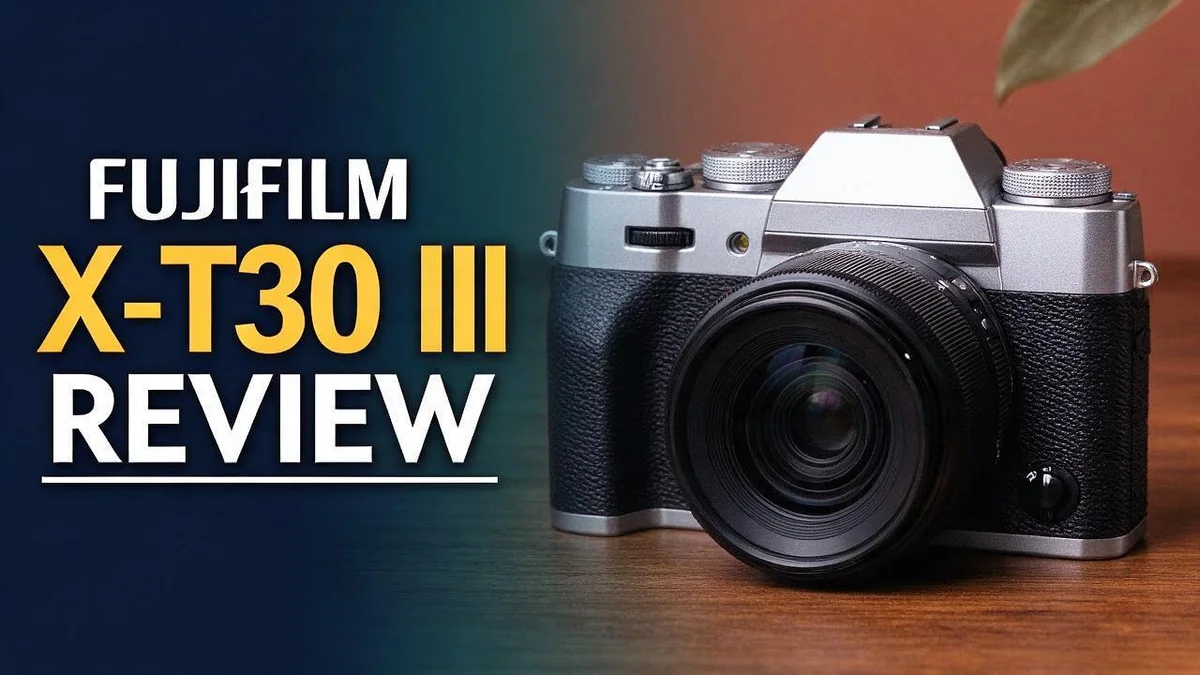
Fujifilm X-T30 III Review: Image Quality, Autofocus, Video and Verdict
Looking for a camera that fits in your bag and still takes stunning photos? The Fujifilm X Trans camera you need could be the Fujifilm X-T30 III, and it might be the perfect match.
Fujifilm launched this compact camera on 1 November 2025. It packs a 26.1MP sensor and a powerful processor. Together, they deliver sharp detail and vivid colors.
Reviewers praise the sharp stills and fast AI autofocus. The built in viewfinder also works well in bright sunlight. That makes outdoor shooting easy.
Video lovers get 6.2K recording at 30 frames per second. The camera also feels light in hand. However, some users with larger hands may find it a bit cramped.
Keep reading to see if this camera suits your style.
In a Nutshell
-
Easy to handle all day: The body feels light and responds quickly to your touch. You can grab a shot without fuss, even on long walks or trips.
-
A viewfinder for sunny days: The built-in electronic viewfinder helps you frame shots in bright outdoor light. You do not need to squint at a glowing screen to see your subject.
-
A tilting screen for tricky angles: You can shoot from low ground or hold the camera high above a crowd. Selfie style videos also feel simple because the screen flips to face you.
-
Creative control with film looks: The dedicated film simulation dial lets you switch between 20 styles in seconds. Each shot can carry its own mood, from soft tones to bold colors.
-
Something to know about stabilization: This model has no in-body stabilization. Steady hands or a lens with built-in stabilization will help a lot in dim rooms.
-
Check the fit before you buy: Some owners with larger hands find the grip cramped. Try holding the camera in a store first to see if it feels comfortable for you.
Image Quality and Film Simulations

- Built for ease of use with Auto mode to keep you in the moment
- Dial in your style with endless creativity powered by 20 built in Film Simulations

Some of the links on this website are affiliate links, which means that at no additional cost to you, I earn a commission if you click through and make a purchase. I only recommend products and services that I believe will add value to my readers. Thank you for your support!
The image quality is where this camera truly shines. The 26.1 megapixel sensor captures fine detail, so your photos hold up when you crop or print them.
Colors look natural and rich right out of the camera. Skin tones often look warm and pleasant, which helps portraits feel lifelike.
Film simulations change the mood of every shot. Each look adds its own character, so you can match a photo to a feeling rather than editing it later.
Think about a sunny street market. A vivid look makes the fruit stalls pop with bright reds and yellows.
Now picture a quiet evening portrait. A softer look keeps tones gentle and calm, which suits a relaxed scene.
Cooler looks can make a winter scene feel crisp and quiet. Warmer looks suit cozy indoor moments and golden hour walks.
Good light matters most. The sensor performs best when you give it enough light, so plan your shots around daylight or open shade.
The ISO range runs from 160 to 12800. Low settings give clean files in bright scenes, while higher settings help you shoot indoors without a flash.
Noise appears more at high ISO values, so keep the setting as low as the light allows. This habit protects fine textures in your images.
Pay attention to highlights when you shoot bright skies. Small exposure changes keep clouds from looking flat, and the live preview shows the result before you press the shutter.
Pairing a film look with the right lens also makes a difference. A standard zoom keeps subjects natural, while a wide lens adds drama to landscapes.
Many beginners shoot only in JPEG. Try shooting RAW too, because it gives you more room to adjust exposure and white balance later.
Experiment with one film look for a full week. You will learn how each style reacts to light, and your personal style will grow naturally.
Autofocus and Subject Tracking
Fast subjects can be hard to catch. The X-T30 III packs in a dense grid of 425 focus points, so your subject does not need to sit in the center.
Picture a child running across a park. You frame the shot, press the shutter halfway, and the camera locks onto their face.
Subject tracking keeps that focus locked. As the child moves closer or farther away, the camera adjusts the focus for you. You do not need to refocus by hand.
Eye detection helps with portraits. The camera searches for a face first, then locks onto the nearest eye. Your portrait stays sharp even when your model turns their head.
Pets and wildlife add a different challenge. Their movements are quick and hard to predict. Tracking helps you keep them sharp without constant manual changes.
Choose your focus area with care. A small single point gives you precise control over a still subject. A wider zone works better when your subject moves around.
Continuous autofocus suits busy events. Hold the shutter button and let the camera keep adjusting as the action unfolds. This works well for sports, kids, and dance recitals.
Practice makes autofocus feel natural. Spend a few minutes with a friend or a pet before a big day. Watch how the focus box moves on screen. You soon learn which settings suit your style.
Many photographers also use back button focus, which separates focusing from the shutter release. This gives you more control over when the camera focuses.
Autofocus works best when you slow down and wait for the lock. Watch for the green confirmation before you press fully. A quick check saves many blurry frames.
Low light can slow focus down, so shoot near a window or in open shade when possible.
Viewfinder and Tilting Screen
The Fujifilm X-T30 III gives you two ways to frame a shot. You can use the electronic viewfinder or the tilting LCD screen. Each option suits a different style of shooting.
Many photographers like to press an eye against the viewfinder. This habit helps you focus on your subject. It also shuts out distractions around you.
The screen works well for quick, casual shots. You can glance down and compose without raising the camera to your face. Street photographers often appreciate this quiet approach.
Video creators gain the most from the tilting screen. You can check your framing while you film at waist height. This helps you keep your 6.2K footage level and well composed.
Switching between the two takes only a moment. Try both during a short walk around the block. You will quickly learn which one feels natural in your hands.
Test the screen angle before a big trip. Make sure the tilt moves freely and the screen sits where you need it.
Your elbows make a big difference too. Tuck them against your body when you shoot with the viewfinder. This simple move gives you a steadier base for every frame.
Shooting with the screen at arm’s length can feel awkward for long sessions. Your arms tire faster, so the viewfinder often feels more comfortable.
Your posture changes with each option. Stand with your feet apart and your weight even. A balanced stance helps you hold the frame longer.
Cleaning the viewfinder glass matters too. Fingerprints and dust can blur the view. A soft cloth keeps the eyepiece clear for every shoot.
Give each option a fair test before you travel. Real use tells you more than any spec sheet ever could.
The best setup depends on you. Pick the viewfinder for calm framing and steady shooting. Pick the tilting screen for video and quick, relaxed shots.
Top 3 Alternatives
Looking for a different camera? These three models offer strong features in a compact body. Each one suits a slightly different style of shooting.
Canon EOS R50

- This camera bundle comes with manufacturer in box accessories as well as bundled accessories. The camera comes with a Canon 1-Year Manufacturer Warranty
- Canon EOS R50 Mirrorless Camera: 24.2MP APS-C CMOS Sensor, DIGIC X Image Processor, Dual Pixel CMOS AF II with People, Animal & Vehicle Detection, UHD 4K 30p Video Oversampled from 6K, Full HD 120p, 2.36m-Dot OLED EVF, 3" 1.62m-Dot Vari-Angle Touchscreen, Up to 15 fps Electronic Shutter, ISO 100-32000 (Expandable to 51200), Built-In Flash, Mic Input, Wi-Fi, Bluetooth & USB-C
Some of the links on this website are affiliate links, which means that at no additional cost to you, I earn a commission if you click through and make a purchase. I only recommend products and services that I believe will add value to my readers. Thank you for your support!
The Canon EOS R50 is a small and light mirrorless camera. It suits beginners who want simple controls and clear photos.
Its fast autofocus tracks faces and eyes, which helps with kids, pets, and travel shots. Its screen tilts up, so selfies become easy. You can also shoot vertical video for social media.
Sony ZV-E10 II

- The Sony ZVE-10 II with the 16-50mm lens is your ideal travel companion, delivering high-quality photos and 4K videos in a portable package.Boasting a 26MP APS-C Exmor R CMOS sensor and a powerful BIONZ XR image processor, this camera ensures exceptional image and video quality, even in low light conditions. Equipped with a flip-out LCD screen and built-in microphone, it's designed for vloggers and content creators, offering convenience and professional audio capture.
- Capture stunning photos and videos with the 26MP APS-C Exmor R CMOS sensor and a powerful BIONZ XR image processor, delivering impressive image quality even in low light conditions.Real-time Eye Autofocus and Tracking technology keeps your subjects in focus, making it effortless to capture sharp, professional shots.Share your content wirelessly with Wi-Fi and Bluetooth, and control your camera remotely, simplifying your workflow and enhancing your creative capabilities.
Some of the links on this website are affiliate links, which means that at no additional cost to you, I earn a commission if you click through and make a purchase. I only recommend products and services that I believe will add value to my readers. Thank you for your support!
The Sony ZV-E10 II is built for vloggers and content creators. It has a flip screen and a good built-in microphone setup.
Many users love its 4K video quality and bright sensor in low light. Its lightweight body makes it easy to carry on long walks. Its menus feel friendly, so you can start recording in minutes.
Nikon Z50 II

- Advanced 20.9MP Sensor and EXPEED 7 Processor: The Nikon Z50II Mirrorless Camera 20.9MP DX-format CMOS sensor and EXPEED 7 image processor deliver exceptional image quality, enhanced low-light performance with ISO up to 204800, and up to 30 fps continuous shooting. Ideal for photographers seeking high resolution and fast action capture in a compact, versatile body for a range of creative pursuits.
- Precision Autofocus with Subject Detection: Featuring AI-powered autofocus with recognition for 9 subject types, including humans, animals, and vehicles, Nikon Z50 II Mirrorless Camera ensures sharp focus even during rapid motion. With enhanced Eye-Detection AF and Bird Detection mode, this camera is perfect for wildlife and portrait photographers aiming for consistent accuracy in every shot.
Some of the links on this website are affiliate links, which means that at no additional cost to you, I earn a commission if you click through and make a purchase. I only recommend products and services that I believe will add value to my readers. Thank you for your support!
The Nikon Z50 II offers a comfortable grip and a clear viewfinder. It works well for photographers who enjoy both stills and video.
Its image quality stays sharp across many lighting conditions. Its battery lasts through a full day of shooting. If you want a camera that grows with your skills, this model makes a smart choice.
Video Capabilities
Video is where this camera really stretches its legs. The Fujifilm X-T30 III records 6.2K video at 30 frames per second. That extra resolution gives you room to crop and reframe clips later.
Owners often praise this mode for its sharp detail. You can pull a clean still from a moving clip or zoom in during editing. This also helps when you reframe a clip for social media.
Slow motion is another strong point. The camera shoots 4K at 60 frames per second. Those smooth clips look beautiful when slowed down, such as a dance routine or a splash in the pool.
For even bigger slow motion, switch to Full HD at 240 frames per second. This mode makes a quick moment last. Think of a glass shattering or a bird spreading its wings.
The camera does not include stabilization inside the body. Handheld walking shots can look shaky without help. Use a stabilized lens, a gimbal, or a tripod for smooth footage.
Pick your frame rate with purpose. Choose 30 frames per second for everyday clips like family walks or travel vlogs. Save the high frame rates for moments with fast action.
Large video files fill cards quickly. Pick a fast card with plenty of space before a long shoot. Your laptop will also need room for editing.
Audio deserves attention too. An external microphone often captures clearer voices than the camera alone. A foam windscreen also helps cut wind noise on outdoor takes.
Many people compare this model with the Sony a6400 for video work. Both cameras serve creators who want crisp 4K footage in a small body.
Video shooters get a lot here. High resolution, smooth 4K, and dramatic slow motion meet in one compact body. Test each mode before your next trip, and you will know which one fits your style.
Ergonomics and Portability
This camera feels light and compact in the hand. It slides easily into a day bag or a travel backpack. Many photographers appreciate this when they walk for hours.
Carrying gear all day can wear you down. A small body keeps your shoulder and neck relaxed. Portability is one of its strongest traits.
Handling feels quick and direct. Controls respond well to a light touch, so you can change settings without fuss. This matters most when a moment passes fast.
Comfort depends on your hand size, though. Some people with larger hands find the body a little cramped. Your fingers may sit on the edge instead of wrapping around a deep grip.
Try a short test before you commit. Hold the camera for ten minutes at a time. Notice whether your pinky has room below the body.
A wrist strap can help when the grip feels tight. It also keeps the camera secure while you walk. Some photographers add a small grip extension for extra support.
Balance matters as much as size. Pair this body with a compact prime lens for a neat, even feel. A light setup makes long travel days far more enjoyable.
Think about how you carry it. A neck strap spreads the weight across your shoulders. A sling strap keeps the camera ready at your side. Choose the style that suits your daily routine.
Small cameras invite spontaneous shooting. You are more likely to bring it along on a casual outing. That habit often leads to better photos over time.
Overall, this body suits people who value a light kit. Those with large hands should hold it first. A little planning helps you enjoy it on every trip.
Pros and Cons
Pros
- Stills look sharp and rich with plenty of detail.
- Owners praise the AI autofocus for tracking subjects.
- The 20 film simulations make it easy to find a creative look fast.
- Beginners get a capable camera that can grow with their skills.
Cons
- Owners with larger hands may find the body feels cramped.
- The camera is new, so long-term reviews are still limited.
- Many comparison articles focus on the older 2019 model, so check the specs carefully.
Who Should Buy It
If you usually shoot with a smartphone, this camera offers a clear step up. You get richer detail and more control over how your photos look.
Families make a great match here. Kids, pets, and vacation days move fast, so you need a camera that keeps pace. The autofocus helps you catch those fleeting moments.
Content creators gain extra flexibility too. Shooting in 6.2K gives you room to crop a clip and still keep sharp frames for your feed. Editing becomes easier when you have extra detail to work with.
Travelers who want one camera for everything will appreciate the mix. Stills and video live in one small body, so you pack less and shoot more.
Bright days are another plus. The built in viewfinder helps you frame shots in strong sunlight, so you can keep your eye on the subject.
Hobbyists who enjoy weekend walks will also find joy here. The camera feels ready for quick stops along the trail, and changing settings stays simple.
Students of photography can learn the basics here. Exposure, focus, and framing respond quickly, so every shot teaches you something new. Each lesson builds on the last, so skills grow quickly with regular practice.
Gift shoppers should also consider this model. A camera like this makes a thoughtful present for a new photographer who wants room to grow.
Who should look elsewhere? Professionals who shoot paid jobs every week should compare models first. Sports shooters who need very fast burst speeds may also want to research their options further.
In short, this camera suits everyday shooters who want better images and simple controls. Think about your daily habits and your creative goals before you decide.
Final Verdict
Our final verdict is positive. The Fujifilm X-T30 III earns a strong spot on any short list. It pairs sharp stills with quick handling and capable video features.
Think of this camera as a learning tool that grows with you. The film simulation dial invites you to experiment. Each change shows how color and tone shift, so you learn faster and develop your own style.
Who should buy it? People who want one flexible camera should look closely. It fits families, travelers, and creators who shoot both photos and video. It also suits hobbyists who want room to improve over time.
Beginners often feel nervous about their first real upgrade. This camera offers a clear path forward. You can start with simple shooting and explore deeper options when you feel ready.
Who might want to wait? Shoppers who need stabilization built into the body may prefer another option. This model lacks that feature, so steady technique matters more. A gimbal or a stabilized lens can help close the gap.
Think about lenses too. A versatile zoom lens can turn this body into a complete kit for travel, portraits, and everyday walks. Choose lenses that match the way you shoot most often.
If you already own an older model, the Fujifilm X-T30 II remains a sensible option. It shares many of the same ideas, so the jump to this newer body may feel familiar. Compare the features that matter most to your daily routine.
Final thoughts. This camera suits people who value image quality, flexible video, and a fun creative process. It may not fit every hand size or every shooting style. Still, it delivers strong results for many everyday photographers.
If you want a camera that keeps up with your ideas and your next adventure, this model deserves a close look.
Frequently Asked Questions
What video can the Fujifilm X-T30 III shoot?
The camera records 6.2K video at 30 frames per second. It also shoots 4K at 60 frames per second. For slow motion, it offers Full HD at 240 frames per second.
Does the screen tilt for selfies and tricky angles?
Yes, the rear screen tilts. You can lower it for shots near the ground or raise it for high angles. The tilt also helps when you film yourself.
How does it handle low light?
The camera offers an ISO range from 160 to 12800. That range gives you room to shoot indoors or at dusk. Keep the ISO low when you can for the cleanest files.
When did the camera launch?
Fujifilm released the X-T30 III on 1 November 2025. Since the model is so recent, check the official Fujifilm website for the latest details.

Welcome to The File Fix. I’m Millie, and I review tech so you don’t have to suffer buyer’s remorse.
Navigating the endless sea of Amazon devices and gadget releases can feel like a full-time job. That’s why I do the heavy lifting. I dig past the unreliable 5-star reviews and shiny spec sheets to test how these devices actually hold up in the real world. Whether you’re looking for the best budget earbuds, a reliable power bank, or the latest smart home gear, you’ll find honest, no-nonsense breakdowns here.