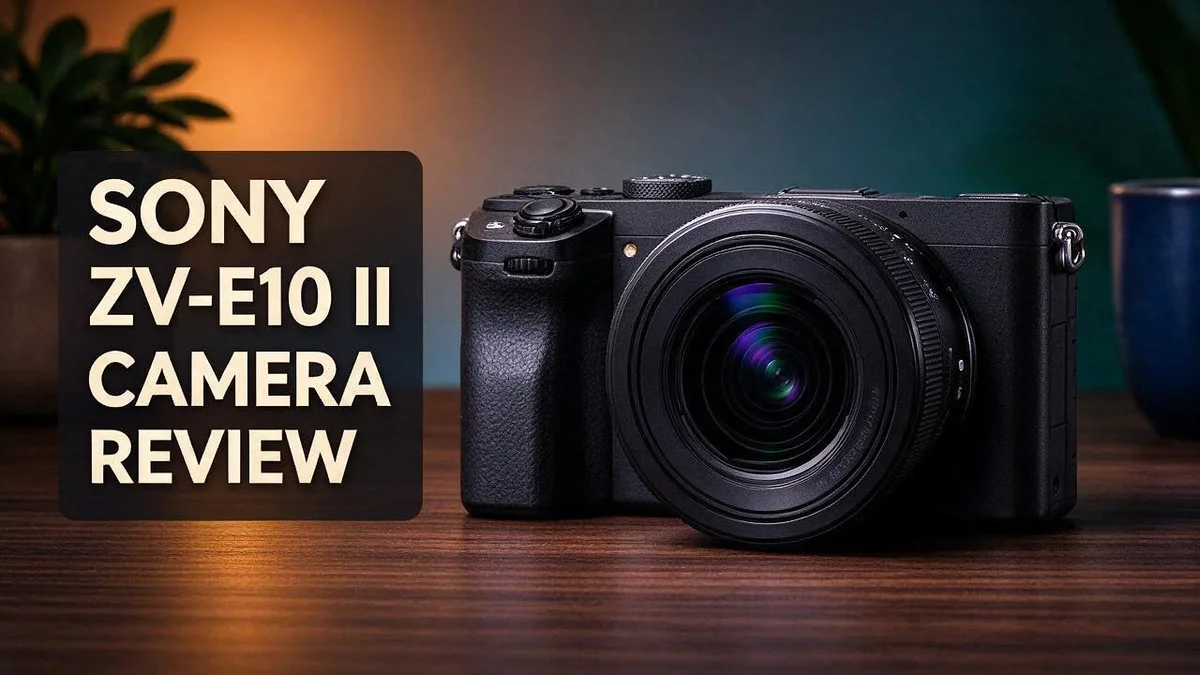
Sony ZV-E10 II Review: Is This Worth Buying in 2025?
Looking for a camera that goes everywhere with you? The Sony ZV-E10 II could be the right match. It is light and easy to carry all day.
At just 343g, this camera feels barely there in your bag. That makes it a great pick for travel days and long walks.
Handling feels smooth from the start. Controls sit where you expect them. Nothing feels fiddly, even on such a small body.
Autofocus stays reliable, so your shots stay sharp. Image quality also looks solid for everyday photography. Battery capacity is decent for a day out.
In this review, we break down what works well. We also share who should buy it and who should look elsewhere.
In a Nutshell
- Battery life feels decent for a camera this small, so you can keep shooting through a full day of trips without worrying about running out of power early.
- Button layout stays simple and easy to reach, so beginners and experienced users alike can adjust settings without digging through confusing menus.
- Photo quality holds up well for everyday shots, portraits, and scenic views you capture while exploring new places or walking around town.
- Rivals include the original ZV-E10 along with the ZV-1, RX100 models, Fujifilm X-M5, and Canon R50, so you have plenty of options to compare.
- The RX100 VII is worth a look if you need extra zoom, since it offers more reach in a small body.
- Specs like sensor size and stabilization are not covered in this summary, so check the latest details before you decide which model fits your needs.
Design, Weight and Handling

- Sony USA Authorized. Sony Alpha ZV-E10 II Mirrorless Camera with 16–50mm Lens (Black), 64GB card, micro HDMI cable, soft bag, 12 inch flexible tripod, hand strap, memory card reader, card wallet, and cleaning kit.
- All-in-One Vlogging Kit – The Sony ZV-E10 II comes bundled with the 16–50 mm OSS power zoom lens, covering wide to standard focal lengths for selfies, travel shots, and everyday content. Optical SteadyShot ensures handheld footage stays sharp and stable, while the compact design makes this kit perfect for creators who want a ready-to-shoot solution without needing extra lenses to get started.
Some of the links on this website are affiliate links, which means that at no additional cost to you, I earn a commission if you click through and make a purchase. I only recommend products and services that I believe will add value to my readers. Thank you for your support!
A camera should feel comfortable after an hour of shooting, not just for a few seconds in a store. This is where design and handling matter most. The Sony ZV-E10 II offers a small body that still feels secure in your hands.
Try this simple test. Hold the camera with one hand and let your fingers rest on the grip. Notice whether your thumb reaches the controls without stretching. A relaxed hold helps you keep steady shots while you walk.
Balance matters as much as weight. A heavy lens can pull the front of the camera down. Pick a compact lens for daily carry, so the setup feels even in your grip.
Carry style changes how the camera feels. A neck strap or wrist strap keeps the body close, so you can lift it fast. Many people skip photos because the camera sits buried in a bag.
Quick access changes your results. Keep the camera ready on a strap during a city walk or a hike. You catch more moments when the camera stays within reach.
Video shooters need a steady hold. Tuck your elbows against your sides and keep the camera close to your chest. This posture helps reduce small shakes in your footage.
Who benefits most? Vloggers who film themselves often enjoy a grip that feels natural. Hikers and travelers who cover long distances also appreciate a body that stays easy to carry.
Tip: Hold the camera for ten minutes before you decide. If your wrist feels tired, the setup may not suit long sessions. Comfort is personal, so trust how it feels to you.
Think about your daily routine too. A light body suits people who switch between shooting and sightseeing. You can carry it all day without feeling worn out, and that freedom matters on a busy trip.
Finally, check the camera with your own gear. Mount your usual lens and pack it in your favorite bag. A good match feels natural, and your shoots become more fun. Small changes in setup can make a big difference.
Autofocus and Image Quality
Autofocus decides whether your shot lands sharp or soft. The Sony ZV-E10 II aims to keep your subject in focus without fuss. Here is how it performs in everyday use.
Think about moving subjects first. Kids, pets, and street performers rarely stay still. Quick focus helps you catch the moment. Test it by walking toward a friend and watching whether the focus follows.
Focus tracking feels natural when you shoot video of yourself. Move side to side in the frame and check if the focus keeps up. Stay alert for any hesitation or delay.
Light changes everything for image quality. Dim cafes and evening streets challenge any camera. Try shooting in a dim room to see how much grain appears in your files.
Low light is the real challenge. Shoot at a high ISO and you may see noise in the shadows. Keep the ISO modest when possible, and hold the camera steady to avoid blur.
Hold still for a moment after pressing the shutter. That short pause helps the camera settle and reduces blur in slow light.
Colors look pleasing straight out of the camera. Skin tones feel natural in portraits and daylight scenes. You may still adjust white balance for tricky indoor lighting.
Zoom in on your photos to check fine detail. Look at hair, edges, and printed text on a large monitor. Clean edges show that focus and sharpness work together.
A single test rarely tells the full story. Shoot outdoors at midday, then indoors near a window. Compare the results side by side to see the real strengths.
Who benefits most? Travel photographers, family shooters, and street photographers will notice steady results. Video creators also get clean footage in good light. Take your time with each setup, since small changes can shift results a lot.
Final tip: review your photos on the camera screen and then on a computer. Colors and sharpness often look different across devices. Give the camera a fair trial before you decide.
Battery Endurance
Battery life can shape your entire shoot day. The research describes the battery capacity as decent, which gives you a solid starting point. Real results still depend on how you use the camera.
Plan for a full day out. Pack at least one spare battery before you leave home. Charge every pack the night before, so you start with full power.
Video recording uses more energy than photo shooting. Long clips, high frame rates, and constant autofocus all drain the cell faster. If you film often, expect to swap batteries more regularly.
Screen brightness matters too. A bright LCD pulls power quickly, especially outdoors where you need extra light to see the display. Lower the brightness when you do not need it. Your battery will thank you during long afternoons in the sun.
Wireless features also cost power. Bluetooth, wireless transfers, and live streaming keep the camera busy. Turn off features you do not use, and power down between shots during long walks.
Battery habits also change over time. Older packs hold less charge than new ones, so watch for faster drain as months pass. Replace worn batteries when your shoots start to run short early.
Run your own endurance check. Charge the battery fully, then shoot a normal session of photos and short clips. Note how many shots you take before the low battery warning appears. This simple habit shows what your style really costs.
Cold weather also reduces battery output. On winter hikes or ski trips, keep a spare pack in an inner pocket close to your body. Warmth helps the cell hold its charge longer.
Build a simple charging routine. Top off spare batteries during lunch breaks or long car rides. Fresh packs ready in your bag mean you never miss a moment worth capturing.
Battery planning may feel boring, but it protects your creative flow. Good preparation keeps your attention on framing, light, and timing. A little effort before you head out pays off all day.
Top 3 Alternatives
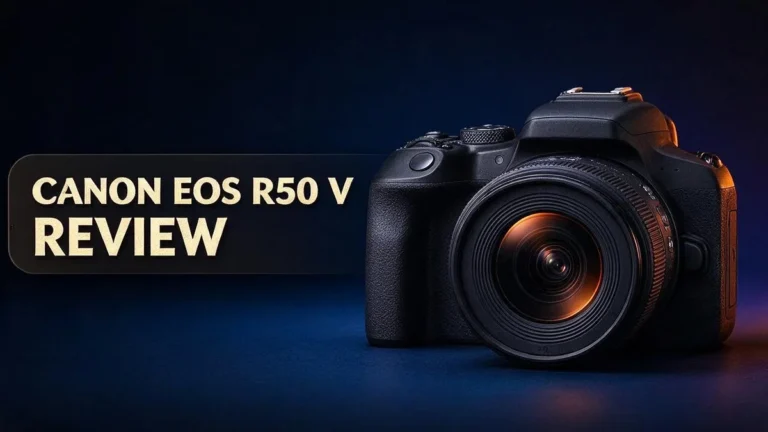
Canon EOS R50

- Includes Versatile 18–45mm Lens: Covering wide to standard focal lengths, this compact zoom lens is great for daily content, portraits, and street shooting.
- Oversampled 4K with Dual Pixel AF: Enjoy sharp, smooth footage with reliable subject tracking, face/eye detection, and autofocus built for creators.
Some of the links on this website are affiliate links, which means that at no additional cost to you, I earn a commission if you click through and make a purchase. I only recommend products and services that I believe will add value to my readers. Thank you for your support!
The Canon EOS R50 is a friendly choice for people new to mirrorless cameras. It has a light body that fits easily in a backpack.
Its autofocus locks onto faces and eyes, so your subjects stay sharp. The fold out screen helps you frame yourself for vlogs and video calls.
Nikon Z30

- Nikon USA Authorized. Items Include: Nikon Z30 Mirrorless Camera with NIKKOR Z DX 16-50mm f/3.5-6.3 VR Lens, 20.9MP DX CMOS Sensor, UHD 4K Video, Vlogging Camera, EN-EL25 Battery, 64GB Memory Card, Camera Bag
- Complete Vlogging Camera Kit – The Nikon Z30 paired with the NIKKOR Z DX 16-50mm VR lens delivers an ideal combination of portability and versatility for creators. Capture everything from wide-angle vlogs and landscapes to portraits and everyday moments with an interchangeable lens system designed for content creation, travel, and social media.
Some of the links on this website are affiliate links, which means that at no additional cost to you, I earn a commission if you click through and make a purchase. I only recommend products and services that I believe will add value to my readers. Thank you for your support!
The Nikon Z30 is a strong option for creators who care about sound and comfort. It has a lightweight design and a screen that tilts up and out.
The microphone input lets you add an external mic for clearer audio. Long recording sessions feel easy with its comfortable grip.
Fujifilm X-S20
No products found.
The Fujifilm X-S20 gives you extra creative control in a compact body. Its film simulation modes make your photos and videos look rich and warm.
The image stabilization keeps handheld footage smooth. If you love style and detail, this model will feel right at home.
Video and Vlogging Features
Video often decides whether a camera suits you. The Sony ZV-E10 II targets creators who film on the move. This section looks at how its video side works in everyday shooting.
Light weight helps on long filming days. At 343g, the camera feels easy to carry for hours. Your arm stays relaxed while you film walking shots.
Travel vlogs benefit most from this size. Pack the camera in a small bag with your phone and a spare memory card. You stay ready for surprise moments on the road.
Handling keeps your focus on the scene. The camera feels natural in your hands, even though it is small. Controls feel easy to reach, so you can concentrate on what you are filming.
Think about your own filming style. Solo creators often record a talking segment, then step away to capture a second angle. A light body makes that routine less tiring.
Test your setup before a real trip. Record a short practice video at home. Walk, talk, and turn around. Then watch the footage on a laptop to see how it looks.
Check audio early. Speak at a normal volume during your test clip. Listen for background noise from wind or traffic. Plan a backup plan for windy days, such as a small wind cover for your microphone.
Plan your shot list before you leave. Write three or four scenes in advance. Include one wide shot, one close shot, and one talking clip. This keeps your footage varied and easy to edit.
Shoot in short bursts. Record clips of ten to twenty seconds for quick cuts. Short takes keep your edit tight and your audience engaged.
Compare nearby options. The Sony ZV-1 offers a built in zoom for close and wide framing. The Canon R50 and Fujifilm X-M5 also suit lightweight video work. Hold each one in your hand before you decide.
Who gains the most from this camera? Travelers, lifestyle creators, and casual vloggers often gain the most benefit. Those who need a long zoom or a heavy studio setup may want a different option.
Pros and Cons
Pros
- Autofocus stays reliable when you shoot still photos.
- You get a strong option for photos and video in one body.
- Controls feel easy to reach, so you can focus on the scene.
- Sony offers a clear upgrade path from the original ZV-E10.
- It handles everyday moments like family outings and casual portraits well.
Cons
- Sensor and stabilization details are not covered in this review yet.
- The small body may feel cramped with large hands or heavier lenses.
- The Canon R50 and Fujifilm X-M5 may suit some shooters better.
- Buyers who need more zoom may prefer the RX100 VII instead.
Who Should Buy It
Who should buy this camera? It suits people who want one body for both photos and video.
Phone users ready to upgrade will notice a big difference fast. A dedicated camera gives you more control over light, focus, and framing.
Families often need gear they can grab quickly. This model works well for birthday parties, school plays, and weekend trips.
Beginners who feel nervous about settings can start in simple modes. They can explore manual controls later as confidence grows.
Students and young creators can learn real filmmaking habits here. Good framing, clean lighting, and smart editing all start with a camera like this.
Travel lovers who want to record a trip in both stills and video will like the balance. Pack light and capture every stop without carrying two cameras.
Home studio owners who sit at a desk all day may also like this camera. Its compact body fits neatly beside a laptop, a light, and a microphone.
Social media creators who post both photos and clips gain a smooth workflow. You can shoot a portrait in the morning and a short reel in the afternoon.
Content planners can batch shoot without swapping gear. One camera handles a product photo, a talking segment, and a quick behind the scenes clip.
Who should look elsewhere? Shooters who need a long zoom for sports or wildlife may prefer a different lens setup.
Professional photographers who need a backup body for paid jobs may want a higher tier model with more advanced features.
Compare this camera with its rivals before you decide. A side by side test in a store can show which grip and menu layout feel right.
Think about your daily routine before you buy. If you shoot at home, travel, or film your life, this camera likely fits your needs.
Final tip: Make a short list of your top three uses. If this camera covers all three, it deserves a place in your bag.
Final Verdict
The Sony ZV-E10 II earns a solid spot in this final verdict. It brings photo and video skills into one small body. Most shooters will find it a steady partner for daily creating.
Overall, this camera feels like a smart, versatile pick. New creators get a gentle learning curve. Skilled users still get room to grow as their skills improve.
The camera keeps everyday controls simple, so newcomers stay calm during shoots. Skilled users can then focus on framing and light.
Battery life feels decent for most outings. However, a spare battery is a wise addition for long shoots or full day events. Pack it with your memory cards before each trip.
The research leaves a few gaps. Sensor, resolution, and stabilization details are not confirmed here. Check the official Sony spec sheet before you commit.
Before you buy, ask yourself three quick questions.
How often will you shoot? Daily creators may value quick handling more than occasional users do.
Will you mostly shoot video or photos? Mixed shooters gain the most from this body.
Where will you use it most? Desk setups, trips, and family events each suit the camera in different ways.
A hands-on test is the best final step. Hold the camera in a store if you can. Shoot a few clips and photos, then judge how it feels. Trust your own experience over any written review.
Sony built this model for creators who move between stills and clips. The body suits people who dislike carrying extra gear.
In short, the camera delivers on its core promise. It offers a balanced mix of photo and video tools. Many buyers will feel satisfied with their choice.
Final thought: pick the camera that fits your routine, not just the spec list. Your daily habits matter more than any single feature. A good camera should make you want to shoot more.
Frequently Asked Questions
Is this camera light enough to carry all day?
Yes. It weighs only 343g, so it fits easily in a day bag. You can walk for hours without feeling weighed down. Pack a spare memory card so you never run out of space mid-shoot.
Can this camera replace my phone for everyday photos?
It can, but it works best for planned shoots. Your phone handles quick snaps well. This camera gives you more control when you have time to set up a shot.
Does the autofocus keep up with moving subjects?
Yes. The autofocus feels reliable in most situations. It helps when children, pets, or friends move quickly through a scene. Test a few short bursts before an important event so you know how it behaves.
Is this camera a good choice for learning photography basics?
It is a strong choice. The controls stay simple, and you can start in easy modes. As your skills grow, you can explore manual settings at your own pace. Most new users feel comfortable within a few outings.
Welcome to The File Fix. I’m Millie, and I review tech so you don’t have to suffer buyer’s remorse.
Navigating the endless sea of Amazon devices and gadget releases can feel like a full-time job. That’s why I do the heavy lifting. I dig past the unreliable 5-star reviews and shiny spec sheets to test how these devices actually hold up in the real world. Whether you’re looking for the best budget earbuds, a reliable power bank, or the latest smart home gear, you’ll find honest, no-nonsense breakdowns here.