
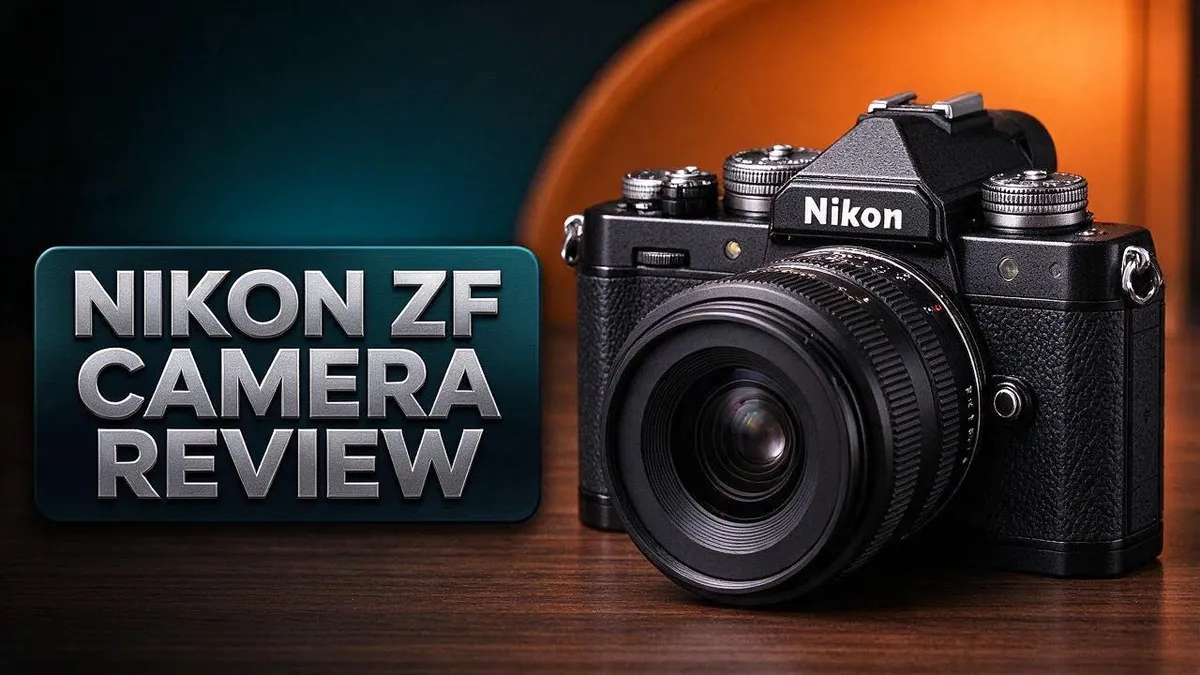
Nikon Zf Camera Review 2026: The Ultimate Guide
Looking for a camera that feels fun to use? The Nikon Zf might be the one. It blends classic style with modern power, and it makes a strong first impression.
The Zf offers a 24MP full frame sensor. It is also the first Nikon camera with pixel shift. Your photos get rich colours and sharp detail.
Autofocus feels quick and reliable. Subjects stay locked in place, even when they move. Handling feels comfortable on long shoots, and the lens lineup earns top marks.
Of course, no camera is perfect. Build quality scored lowest among the rated areas. Menu diving can also slow you down at times.
In this review, we break down the design, performance, and everyday use. Keep reading to see if the Zf suits your style.
In a Nutshell
-
Image quality shines. Photos show beautiful colours and high resolution. Fans of vivid, detailed pictures will feel right at home.
-
Tracking keeps up with action. The camera follows moving subjects well. Fast operation makes shooting feel smooth and responsive.
-
Handling feels comfortable. Ergonomics earn top marks from reviewers. The lens lineup also ranks among the best for Nikon shooters.
-
Portability helps on the go. The Zf feels lighter and quicker to use than some older models. It fits easily into a daily bag.
-
Battery life holds up well. One reviewer rated battery performance close to the top of the scale. You can shoot for longer between charges.
-
Workflow takes some patience. Strong image quality often means more editing work. Expect to spend time diving through menus to set things up.
Image Quality and Pixel-Shift

- ICONIC DESIGN, MODERN PERFORMANCE – Classic retro-inspired body with machined brass dials and tactile controls, combining vintage style with full-frame mirrorless performance.
- HIGH-RES SENSOR & FAST PROCESSOR – 24.5MP FX-format BSI CMOS sensor with EXPEED 7 processor delivers detailed images, low noise, and fast readout for both photos and video.
Some of the links on this website are affiliate links, which means that at no additional cost to you, I earn a commission if you click through and make a purchase. I only recommend products and services that I believe will add value to my readers. Thank you for your support!
Pixel shift sounds technical, but the idea is simple. The camera takes several shots and moves the sensor slightly between each one.
The software then blends those frames into one image. Each pixel records more colour data, which can lead to cleaner detail in still scenes.
This mode works best on a tripod. Movement between frames can blur results, so keep the camera steady. Subjects must stay still too.
Landscapes, studio setups, and museum shots suit this method well. Fast action does not benefit, so save it for slower work.
Everyday shooting feels different. Most people will shoot handheld, and standard mode still delivers strong results in good light.
Pixel shift is no longer rare. Rival cameras now offer it too, so buyers should look beyond the feature list.
Creative shooters benefit most. Portraits and street scenes respond well to the camera’s colour rendering, giving users room for personal style.
Sensor performance also helps with cropping. Extra resolution gives room to crop tighter without losing too much detail.
Sharp output matters most when prints get large. Wall prints and magazine spreads reveal fine detail that small screens hide.
Shoot in raw when you can. Raw files keep more tonal data, which gives editors better control over highlights and shadows.
Pixel shift files can be large, so plan storage early. A quick card check saves stress during long shoots.
Good images need the right setup. Use a sturdy tripod, a remote release, and a steady hand.
Pixel shift works best with planning. Think about the subject, the light, and the final size before pressing the shutter.
The Zf rewards patient photographers. Quick snapshots still look good, but the best results come from slow, careful work.
Final thoughts on image quality. The Zf delivers sharp, rich files for those who want them. Pixel shift adds a useful tool. It suits shooters who enjoy planning each frame. Casual users can still enjoy great results without it.
Autofocus and Subject Tracking
Autofocus matters most when life moves fast. One reviewer gave the Nikon Zf an autofocus score of 9.4 out of 10. That high mark shows the camera can handle busy scenes with confidence.
Focus modes change the final results. A single point mode suits still subjects, like a seated portrait. Wider area modes work better for kids, pets, and cyclists.
Choose the mode before the action starts. Switching while a dog sprints across a field wastes precious seconds. Set your mode during a quiet moment instead.
Run a short practice session first. Ask a friend to walk slowly past you. Shoot a quick burst and check which frames stay sharp. This small test builds trust in your settings.
Subject tracking works best when the subject stays inside the focus area. Place the focus point on your subject first. Then hold the shutter button halfway while you follow the movement.
Recompose when the subject drifts. Lock focus on your subject, then shift the frame to your preferred composition. This simple trick keeps the subject sharp even when it moves off center.
Continuous shooting helps too. Action often peaks for just a split second. A burst gives you more chances to catch the perfect jump, expression, or splash of water.
Light plays a big role as well. Dim rooms and harsh backlight can slow the focus lock. Move to brighter spots when you can. Small changes in position often bring quicker results.
Lens pairing adds another layer. The lens lineup earns top marks from reviewers, so you have plenty of options. A lens with a wide maximum aperture lets in more light, which helps the camera find its target sooner.
Trust your instincts after a few tries. Once you learn how the Zf responds, you can focus on framing and timing. The best shots often come from instinct, not from settings. Keep short notes on what works for each situation, and your results will improve quickly.
Handling, Ergonomics and Menu Navigation
The Nikon Zf has a retro look that many photographers enjoy. Its dials and buttons sit in clear places. Learning the full layout takes a little time, though.
The dials handle many common settings. Shutter speed and exposure can change quickly without opening a menu. This speed helps during fast shoots.
Menus are where things get harder. Nikon packs many features into deep menu pages. Finding one option can take several button presses. Expect to spend time in the menus during your first week.
Nikon groups menu items into tabs. Many people check the wrong tab first. Read each tab title before you dive in.
Customization helps a lot. You can assign frequent functions to custom buttons. Put your favorite settings within easy reach. Set this up before your first outing.
The My Menu feature gathers your most used items on one page. Add the options you check often. Skip the long search through each tab. This tip saves real time.
Image quality features add more steps. Pixel shift and similar modes sit deeper in the settings. Users who want full control must learn where each option lives.
Button functions can shift between shooting modes. A control that works in one mode may do nothing in another. Check the manual when a button seems dead.
Build quality earned the lowest score in the review, at 7.7 out of 10. Pack the camera with padding when you travel.
Quick reference cards help too. Tape a small guide inside your bag. Glance at it when you forget a shortcut.
Practice the menus at home, not on location. A calm room makes it easier to test each option. Mistakes cost less there. Friends who own Nikon bodies can also share tips. Each small step builds confidence.
Handling rewards patience. The dials feel quick once learned. The menus take longer to master. Spend a few evenings exploring the menus, and the Zf starts to feel natural.
Top 3 Alternatives
If you want a strong alternative to a compact retro-style camera, these three models are worth a close look. Each one offers a different mix of image quality, speed, and video power.
Fujifilm X-T5

- 40.2 Megapixel X-Trans CMOS 5 HR BSI Imaging Sensor
- 15 Frames per second in Mechanical Shutter

Some of the links on this website are affiliate links, which means that at no additional cost to you, I earn a commission if you click through and make a purchase. I only recommend products and services that I believe will add value to my readers. Thank you for your support!
The Fujifilm X-T5 uses a 40 megapixel sensor that captures sharp, detailed photos. Its physical dials feel classic and make settings easy to change. Many photographers love its film simulation modes. It also handles low light well. Video creators will appreciate its clean 6.2K recording.
Canon EOS R6 II

- Canon USA Warranty. Items Included: Canon EOS R6 Mark II Mirrorless Camera,Canon RF 24-105mm f/4-7.1 IS STM Lens,Canon LP-E6NH Lithium-Ion Battery,Canon LC-E6 Charger,Canon R-F-5 Camera Cover,Camera Strap,Shoe Cover,Canon E-67 II Lens Cap,Canon Lens Dust Cap RF, Shoulder Bag,64GB Memory Card
- Advanced Full-Frame Performance: Capture next-level detail and dynamic range with the Canon EOS R6 Mark II, featuring a newly developed 24.2MP full-frame CMOS sensor powered by the high-speed DIGIC X processor. This mirrorless system offers professional-grade stills and cinematic video with exceptional low-light capabilities, extended dynamic range, and fast continuous shooting at up to 40fps with the electronic shutter—perfect for wildlife, weddings, sports, and more.
Some of the links on this website are affiliate links, which means that at no additional cost to you, I earn a commission if you click through and make a purchase. I only recommend products and services that I believe will add value to my readers. Thank you for your support!
The Canon EOS R6 II offers a fast full frame sensor and quick burst shooting. Its autofocus can detect people, animals, and vehicles. Built in stabilization helps keep handheld shots steady. This camera works well for sports and wildlife.
Panasonic Lumix S5 II

- Key Upgrades to a Compact Hybrid Powerhouse: Panasonic S5II with Phase Hybrid Autofocus, Improved I.S., Unlimited Video, with 24.2-MP 35mm full-frame CMOS Sensor for high resolution, natural description, and approximately 2x higher-speed signal processing
- Fast, Accurate Phase Hybrid Autofocus: This full frame mirrorless camera uses advanced subject detection & metering technologies capture the target subject in focus even in adverse lighting; once locked on, it keeps tracking even with many moving objects
Some of the links on this website are affiliate links, which means that at no additional cost to you, I earn a commission if you click through and make a purchase. I only recommend products and services that I believe will add value to my readers. Thank you for your support!
The Panasonic Lumix S5 II focuses on video and hybrid shooting. It uses phase detection autofocus for faster and more reliable focus. Its strong stabilization makes handheld footage smoother. It is a great pick for filmmakers and travel creators.
Lens Lineup and Compatibility
The Nikon Zf uses the Z mount. This mount connects the camera to a growing range of Nikon lenses.
Reviewers rated the lens lineup as top tier. That praise matters because your lens shapes the final image.
Start with one versatile zoom. A standard zoom covers wide scenes and closer details. It keeps your camera bag light and your options open.
Prime lenses suit low light well. Primes have fixed focal lengths. Many open wider than zooms, so they let in more light. They also push you to move your feet and frame each shot with care.
Portrait lovers often enjoy a fast prime around 50mm. Wide angle lenses suit landscapes, interiors, and tight city streets.
Adapters open more doors. Nikon F mount lenses work with a simple adapter. This lets you use older glass you already own.
Check compatibility before you commit to a lens. Not every lens supports every feature on the Zf. Look at the mount type and the list of supported functions.
Third party brands also make lenses for the Z mount. Some offer strong optics in a smaller size. Test them in a shop when you can.
Mind the weight of your setup. Full frame lenses can grow heavy fast. A lighter lens makes long days far more comfortable. The Zf already feels compact, so pair it with smaller optics.
Lens controls also change how you shoot. Some lenses include a control ring or an aperture ring. Learn what each control does at home first.
Zoom lenses also cover many situations with fewer changes. Swapping lenses in dusty or windy places can expose your sensor to dirt. A versatile zoom reduces those risky moments.
Read reviews from people who use the lens with the Zf. Look for real photos taken in similar conditions. These samples show colour and sharpness in action.
Build your list around your subjects. Portraits, travel, and street photography each need different focal lengths. Start with the shots you take every week.
Pros and Cons
Pros
- The 24MP full frame sensor delivers beautiful colours and sharp detail.
- Pixel shift is a first for Nikon in this camera.
- Operation feels snappy and reliably fast.
- The camera is easy to carry on long trips.
- Battery performance earns a strong 8.9 out of 10.
Cons
- Image quality features can slow down your editing workflow.
- Pixel shift now appears on rival cameras, so it is less unique.
- High resolution files take up more storage space.
- Canon R6 II also offers preset modes, which may appeal to some shooters.
Who Should Buy It
The Nikon Zf suits photographers who want a camera that looks good and feels fun to use. Its retro style appeals to shooters who enjoy a hands on approach. Many people buy it because it feels special in the hand.
Portrait and landscape photographers should take a close look. The 24MP full frame sensor delivers beautiful colours and sharp detail. Scenes with rich tones look natural and lively.
Travel photographers also gain a lot. A lighter setup helps when you walk for hours. You can spend more time shooting and less time carrying heavy gear.
Fans of fast, dependable focus will feel right at home. Autofocus earned 9.4 out of 10 in one review. Moving subjects stay sharp more often, which makes action shots less stressful.
Existing Nikon owners may find the switch easy. The controls and lens system feel familiar. Many of your current skills transfer well to this body.
Shooters who work in dim rooms should plan ahead. Low light and harsh backlight can slow the focus lock. Test the camera in your usual spaces before a big shoot.
Hobbyists who enjoy learning will find plenty to explore. Custom settings let you shape the camera to your personal style. The effort pays off over time, especially when you know exactly where your favourite options live.
Photographers who need a rugged body may want to think twice. Heavy field work can put stress on a camera built this way. Consider your daily shooting conditions before you decide.
Anyone who wants a simple first camera may need some patience. Menus take time to learn, and the options can feel crowded at first. Regular practice builds confidence quickly.
In short, the Zf fits creative shooters who value image quality and a classic feel. Careful buyers should weigh the menu learning curve and their build expectations. Start with your own needs, then decide if this camera fits your style.
Final Verdict
The Nikon Zf offers a lot in one package. It blends image quality, reliable focus, and a classic look. Most shooters will enjoy using it.
Overall, the Zf earns a solid recommendation. It handles everyday shooting with ease. It also rewards people who like to take their time.
One reviewer ranks the Zf third best camera in the Nikon range. That ranking shows its overall appeal. Rankings can shift, so treat it as one useful signal.
The biggest question is build quality. It scored lowest among the rated categories. That does not rule the camera out.
Handle it before you buy. Feel the grip and the weight in your hands. Make sure it fits your style.
Think about where you will use it. A compact body suits daily walks and long trips. Heavy rain or rough field work may call for a tougher option.
Your editing routine matters too. Strong files need time to sort and edit. Plan a simple process before your first big shoot.
Learning the menus takes some effort. Many settings sit deep in the system. Spend a weekend exploring them, and the camera will feel far more natural.
The Zf also gives you room to grow. The lens options cover many styles. You can start with one zoom and add a prime later.
Who should buy it? Creative shooters who want a fun, stylish camera will love it. Portrait, landscape, and travel photographers will also find plenty to enjoy.
Look elsewhere if you need a camera for harsh conditions. Choose a body built for rough use instead.
Try before you commit. Shoot a few frames in the same light you face most often. Check how the focus and controls respond to your habits.
Final thought: the Zf is a thoughtful camera with a clear personality. It asks for a little patience but gives back plenty of joy. Choose it based on how you shoot, and you will not go wrong.
Frequently Asked Questions
Does the Zf track moving subjects well?
Yes, the Zf follows moving subjects with good results. One reviewer gave its autofocus a 9.4 out of 10. Subjects that move stay sharp more often than you might expect.
What is pixel shift and why does it matter?
Pixel shift takes several shots and moves the sensor slightly between them. The camera then combines the frames into one file. This gives you more colour detail in each image.
How does the Zf compare with the Nikon Z5 and Canon R6 II?
Both rivals offer preset modes, which help you set up shots quickly. Check whether preset modes matter to you. Compare the features you care about most before you decide.
Is the Zf a good choice for lens collectors?
Yes, the lens lineup earns top marks in the research. You can build your kit slowly, adding one lens at a time. Start with a versatile option and expand as your skills grow.
Can I use the Zf for quick street shots?
Yes, the camera feels light and easy to carry. You can carry it all day without much strain. It works well for spontaneous moments when you need to act fast.

Welcome to The File Fix. I’m Millie, and I review tech so you don’t have to suffer buyer’s remorse.
Navigating the endless sea of Amazon devices and gadget releases can feel like a full-time job. That’s why I do the heavy lifting. I dig past the unreliable 5-star reviews and shiny spec sheets to test how these devices actually hold up in the real world. Whether you’re looking for the best budget earbuds, a reliable power bank, or the latest smart home gear, you’ll find honest, no-nonsense breakdowns here.