How To Fix Electric Lighter Plasma Arc Weakening Over Time?
Your electric lighter used to spark a strong, crisp arc every single time. Now it flickers, struggles, or barely lights at all. This is a common problem, and it does not mean your lighter is dead for good.
Plasma arc lighters rely on high voltage electricity to create that signature flame free flame. Over time, the arc can weaken due to a few key reasons. Battery degradation, dirty electrodes, and worn internal parts are often the culprits.
The good news? You can fix this yourself. Most weak arc problems come from simple issues like low battery charge or grimy contacts. Others involve minor circuit damage that needs a closer look.
In a Nutshell
- Check the battery first. A low charge is the most common reason your arc feels weak. Plug it in and let it charge fully before testing again.
- Clean the electrode contacts. Dirt, dust, and moisture build up on electrodes over time. Wipe them gently with a dry cotton swab.
- Open the lighter carefully. Most units have a simple casing you can remove to check internal parts. This gives you access to the battery, transformer, and wiring.
- Inspect the circuit board. Look for loose solder joints or burnt spots. These small defects often cause big power loss.
- Test the transformer. This part boosts voltage to create your arc. If it feels loose or damaged, that’s likely your problem.
- Avoid using your lighter when wet. Moisture damages internal components fast and speeds up arc weakening.
How Plasma Arc Lighters Work
Plasma arc lighters work through a simple but clever electrical process. Inside your lighter sits a rechargeable battery that powers everything. When you press the ignition button, electricity flows from the battery to a high voltage transformer.
This transformer boosts the electrical current significantly. The increased voltage jumps across two electrodes that sit very close together. This gap creates an intense electrical arc that reaches extremely high temperatures. The arc ignites whatever fuel or material you’re trying to light.
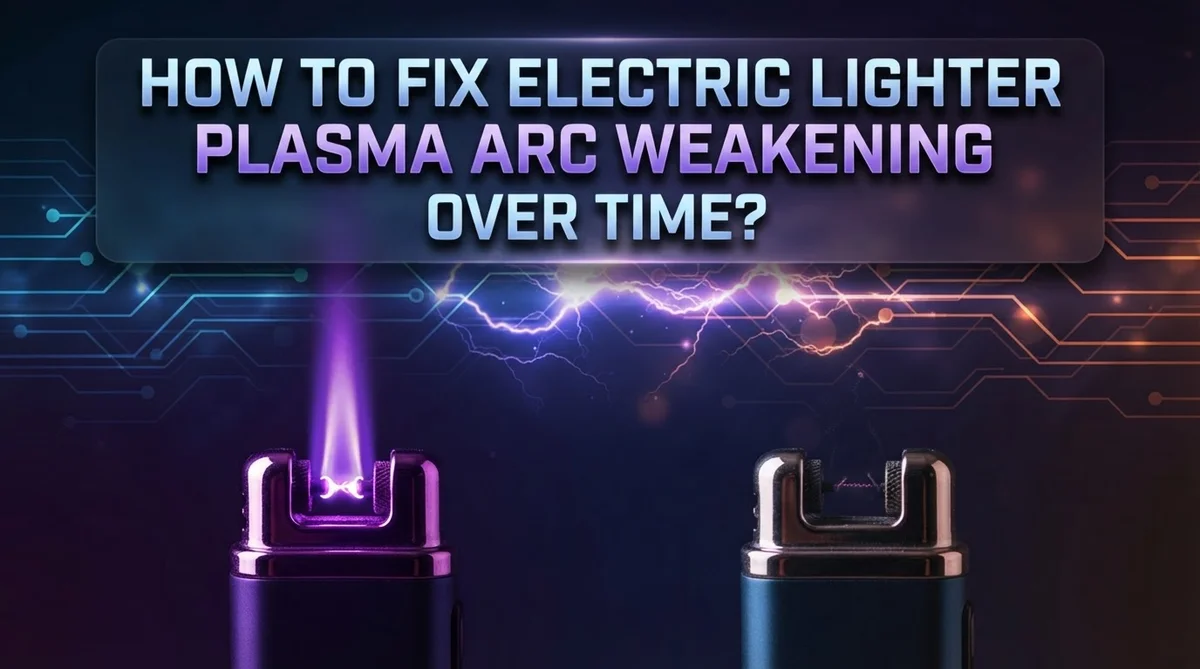
The arc itself is plasma. Plasma forms when electricity ionizes gas molecules in the air between the electrodes. This creates that distinctive blue or white glow you see. Unlike traditional flames, plasma arcs work in wind and wet conditions because they don’t rely on combustion.
The entire process happens in milliseconds. Your lighter creates this arc every time you click the button. The battery powers the transformer continuously during operation.
Over time, several things weaken this system. Battery cells lose their ability to hold a charge after many recharge cycles. Electrode surfaces collect dirt, dust, and moisture that interfere with electrical flow. The transformer can develop internal damage from repeated use and temperature changes. Solder joints on the circuit board may crack or loosen.
Understanding this basic structure helps you troubleshoot problems. When your arc feels weak, you know the issue involves either power delivery or electrode function. The battery might not supply enough voltage. The electrodes might not conduct electricity properly. The transformer might struggle to boost voltage effectively.
This knowledge guides your repair approach. You’ll check each component systematically rather than guessing randomly. Most plasma arc lighters use the same basic design, so these principles apply to most models you’ll encounter.
Signs Your Plasma Arc Is Weakening
A weak plasma arc shows up in several clear ways. The most obvious sign is that your lighter takes multiple attempts to ignite instead of firing on the first try. You might notice the arc appears thinner or dimmer than it used to be.
The arc may also make a different sound. A healthy plasma arc produces a sharp crackling noise. A weakening arc often becomes quieter or produces an irregular popping sound instead.
Another key indicator is distance reduction. Your lighter should ignite objects from a reasonable distance away. When the arc weakens, you need to hold it much closer to what you’re trying to light.
Pay attention to the arc’s color too. A strong arc glows bright blue or white. As it weakens, the color may become more orange or yellow, showing lower electrical intensity.
You might also notice the arc cuts out randomly during use. Instead of burning continuously while you hold the button, it flickers on and off. This inconsistency signals that internal components are failing.
Heat output drops noticeably with a weakening arc. Your lighter should feel warm in your hand after use. If it barely gets warm, the arc isn’t producing enough energy.
Charging behavior changes as well. If your lighter needs charging much more frequently than before, the battery or internal circuits are degrading. A lighter that held a charge for weeks might now need daily charging.
These signs often appear gradually at first. You might dismiss the first few changes as normal. But when multiple signs appear together, your plasma arc definitely needs attention. Catching these problems early makes repairs much simpler and faster.
Common Causes of a Weak Arc
Your plasma arc lighter weakens for several specific reasons. Understanding these causes helps you fix the problem quickly and effectively.
Battery degradation is the primary culprit. Rechargeable batteries lose capacity over many charge cycles. Each time you charge your lighter, the battery stores slightly less energy than before. This reduced power means your arc cannot reach full strength.
Dirty electrode contacts rank as the second major cause. Dust, debris, and oxidation accumulate on the metal tips over months of use. These deposits block electrical flow between components. Even a thin layer of contamination reduces arc intensity significantly.
Internal circuit wear happens naturally with age. Electrical components inside your lighter experience stress every time you create an arc. Solder joints can loosen. Connections become less reliable. This gradual degradation weakens your spark output.
Moisture exposure accelerates all these problems. Water damages circuits and corrodes metal contacts fast. Even brief contact with humidity speeds up arc weakening. Wet environments are especially harmful to these devices.
Transformer component failure occurs less often but still happens. This part amplifies your battery’s voltage to create the arc. When it degrades, your arc loses power even with a fully charged battery. Testing this component reveals whether it needs replacement.
Environmental factors also play a role. Extreme temperatures stress internal parts. Constant vibration from pocket carrying can loosen connections. Regular use simply wears components down over time.
Most of these causes work together. A slightly weak battery combined with dirty contacts creates noticeably poor performance. Identifying which factors affect your specific lighter guides your repair strategy effectively.
Step-by-Step Guide to Diagnosing the Problem
Start your diagnosis by checking the battery charge level first. Plug your lighter into a USB charger and let it sit for at least 30 minutes. A completely dead battery often feels identical to a broken arc. Many people assume their lighter is broken when it simply needs charging.
Next, examine the electrode contacts closely. These small metal points create the actual spark. Turn off your lighter and look for any white, green, or black discoloration on them. Dirty contacts are the most common culprit for weak arcs. Use a dry cotton swab or soft brush to gently clean both electrodes. Rubbing alcohol works well for stubborn deposits, but make sure everything dries completely before testing.
Open the lighter casing carefully to inspect the circuit board inside. Look for any obvious damage like burnt spots, loose components, or corroded areas. Pay special attention to solder joints, which are the small metal connections holding parts together. A loose joint can interrupt power flow to your electrodes.
Test the transformer next. This component boosts electrical voltage to create your arc. If you see obvious damage or hear unusual buzzing sounds, the transformer may need replacement. However, many weak arc problems stem from simple contact issues rather than transformer failure.
Check for moisture damage by looking inside the battery compartment. Any water droplets or corrosion indicate your lighter got wet. Moisture accelerates battery degradation and corrodes internal connections rapidly.
Finally, reassemble your lighter and test the arc. If it still feels weak after cleaning and charging, the battery or transformer likely needs professional attention. Most weak arc problems resolve with proper cleaning and a full charge.
How to Clean Electrodes and Contacts Properly
Cleaning your electrodes and contacts is often the quickest fix for a weakening plasma arc. Dirt, dust, and oxidation build up on these parts over time, blocking electrical flow.
Start by ensuring your lighter is completely unplugged or powered off. Safety comes first when working with electrical components.
Use a small, dry brush or soft cloth to gently wipe the electrode tips. These are the metal points where the arc actually forms. Remove any visible debris or discoloration. Work carefully since these components are delicate.
For stubborn oxidation, use a pencil eraser to lightly rub the electrode surfaces. The eraser removes oxidation without damaging the metal underneath. Wipe away any eraser residue with a clean, dry cloth.
Next, clean the contact points inside the lighter where the battery connects. These small metal surfaces transfer power to your device. Oxidation here directly reduces electrical current. Use the same dry brush or cloth method.
If contacts show heavy corrosion, dampen a cotton swab with a tiny amount of isopropyl alcohol. Gently clean the corroded areas. Let everything dry completely before reassembling. Moisture inside your lighter causes serious problems.
Pay special attention to the circuit board contacts if you’ve opened the casing. These tiny connection points need to be completely clean and dry.
After cleaning, reassemble your lighter carefully. Make sure all parts fit snugly back together. Test the arc immediately. You should notice a stronger, more consistent spark.
This cleaning process takes just a few minutes but often restores your lighter to full power. Repeat this maintenance every few months to prevent future weakening. Regular cleaning keeps your plasma arc performing at its best.
Inspecting and Repairing Internal Circuit Components
Your plasma arc lighter’s internal circuits control the high voltage that creates the ignition arc. When these components degrade, your arc weakens significantly. Understanding how to inspect and repair them helps restore full functionality.
Start by safely disassembling your lighter. Remove the battery first to eliminate electrical risk. Take photos during disassembly so you remember how pieces fit back together. Look for the circuit board carefully as you open the casing.
Examine the circuit board for visible damage. Burnt spots, discolored areas, or cracked components indicate problems. Check all solder joints where wires connect to the board. Weak solder joints can break electrical connections and reduce arc strength.
The transformer component is critical for voltage conversion. This small cylindrical or rectangular part converts battery voltage into the high voltage needed for arcing. If it appears damaged or shows signs of burning, it likely needs replacement.
Inspect the USB charging port connection if your lighter is rechargeable. Loose connections prevent proper charging, which weakens the arc over time. Gently wiggle the port to check for movement or corrosion.
Test the circuit board using a multimeter if you have one. Set it to continuity mode and check connections between components. Broken traces or failed components show no continuity.
Clean any residue from the circuit board with a dry brush. Dust and debris interfere with electrical connections. Use compressed air if available to remove particles from tight spaces.
Most circuit issues require component replacement rather than repair. If solder joints look broken, you may need to resolder them carefully. Improper soldering can cause more damage, so proceed cautiously or seek professional help for complex repairs.
Mistakes to Avoid During Repair
Repairing your plasma arc lighter requires avoiding several critical mistakes that can worsen the problem or damage components beyond recovery.
Never attempt repairs while the lighter is wet or damp. Moisture inside the casing creates short circuits and corrodes internal components instantly. Always allow your lighter to dry completely before opening it. If water entered the device, wait at least 24 hours in a warm, dry location.
Don’t skip the battery check. Many people assume internal damage when the real issue is simply a depleted battery. Charge your lighter fully before disassembling anything. This single step resolves most weakening arc problems.
Avoid using excessive force when opening the casing. Plastic clips break easily, and you may crack the circuit board inside. Work slowly and gently. If the casing resists, try a different angle rather than forcing it open.
Never use metal tools to clean electrode contacts. Metal scratches the electrode surfaces and creates uneven contact points. Stick with soft brushes, erasers, or cotton swabs instead.
Don’t apply liquid cleaners directly to circuit boards. Isopropyl alcohol should only dampen a cotton swab, never soak components. Excess liquid seeps into solder joints and causes corrosion.
Improper soldering damages circuit traces permanently. If you lack soldering experience, avoid attempting repairs yourself. Overheating solder joints destroys the board’s conductive pathways.
Never reassemble your lighter while components are still wet. Wait until everything is completely dry before putting pieces back together.
Finally, don’t ignore warning signs like burning smells or visible scorching inside the casing. These indicate serious internal damage that requires professional attention rather than DIY repair attempts.
Maintenance Tips to Prevent Future Weakening
Regular maintenance stops your plasma arc lighter from losing power. Start by charging your lighter fully every month, even if you don’t use it. This keeps the battery healthy and prevents deep discharge damage.
Store your lighter in a cool, dry place. Heat and moisture damage the internal battery and circuit board. Keep it away from direct sunlight and humid environments like bathrooms.
Check the electrode tips every two weeks. Dust and debris collect on the tips over time. Gently wipe them with a dry cloth to maintain a strong arc. This simple step prevents most weakening issues before they start.
Inspect the charging port monthly for debris or corrosion. If you see buildup, use a dry brush to clean it gently. A blocked port prevents proper charging, which weakens the arc significantly.
Avoid using your lighter in wet conditions. Moisture entering the casing causes internal corrosion. If your lighter gets damp, let it dry completely before using it again.
Keep the exterior clean and free from liquid exposure. Wipe down the casing with a dry cloth regularly. This prevents moisture from seeping into small gaps and cracks.
Store spare lighters with their batteries at 50 percent charge. This reduces stress on the battery during long storage periods. Fully charged batteries degrade faster when sitting unused.
Test your lighter monthly to catch problems early. A weak arc signals battery or electrode issues before complete failure. Early detection lets you fix problems with simple cleaning rather than complex repairs.
Replace the battery according to manufacturer guidelines. Most rechargeable lighters need battery replacement every 2 to 3 years. Planned replacement prevents sudden power loss during use.
Final Thoughts
A weak plasma arc does not mean your lighter is done for good. In most cases, a little cleaning and inspection brings the spark back. You just need patience and the right steps.
Start simple. Check the battery first. A low charge causes most arc problems people face.
Move on to the electrodes next. Dirty or wet contacts block the current from flowing properly. Clean them gently and let them dry fully.
If the arc still feels weak, look inside the lighter. The transformer and circuit board often show early signs of wear. Small issues here cause big drops in arc strength.
Take your time during disassembly. Rushing this step often leads to broken clips or cracked boards. Slow hands make safer repairs.
Avoid common mistakes along the way. Skipping the battery check or using metal tools on electrodes can create new problems. Moisture is another silent enemy for these devices.
Once you fix the current issue, focus on prevention. Regular cleaning and monthly testing keep your lighter working longer. A little care each week saves you from bigger repairs later.
Think of this process as routine maintenance rather than a one time fix. Plasma lighters respond well to consistent attention. Small habits protect the internal parts from early failure.
If the arc still feels weak after cleaning and checking components, the issue may sit deeper in the circuit. At that point, professional repair or replacement becomes the safer choice.
Overall, most arc weakening problems are fixable at home. With clean contacts, a charged battery, and careful handling, your lighter can perform reliably again. Simple steps often solve the biggest problems.
Frequently Asked Questions
Why does my plasma arc lighter stop working suddenly?
Your lighter stops working for a few main reasons. The battery might be completely dead and needs charging. Electrode contacts could be dirty or corroded from dust and moisture. The internal circuit may have degraded over time. Start by charging your lighter fully. If that doesn’t help, the electrodes likely need cleaning.
Can I fix a weak arc myself at home?
Yes, you can fix most weak arc problems yourself. The process takes about one minute once you know what to do. Open the casing carefully and clean the electrode contacts with a dry cloth. Check the battery charge level. Inspect the circuit board for visible damage or corrosion. Most people solve the problem through these simple steps without needing professional help.
What’s the difference between a dead battery and worn electrodes?
A dead battery means your lighter won’t charge or hold a charge. The arc won’t appear at all. Worn electrodes create a weak or flickering arc that looks pale or thin. The lighter still tries to ignite but fails to produce a strong spark. Test the battery first by charging for the full recommended time. If charging doesn’t help, your electrodes need attention.
How often should I maintain my plasma arc lighter?
Check your electrode tips every two weeks for dust and debris buildup. Inspect the charging port monthly for corrosion or blockages. Wipe the exterior with a dry cloth regularly to prevent moisture damage. Test the arc monthly to catch problems early. Store your lighter in a cool, dry place between uses. This routine maintenance prevents most weakening issues from developing.