How To Fix Electronic Muscle Stimulator Snaps Oxidizing?
Do your electronic muscle stimulator snaps look dull or greenish? That’s oxidation, and it can mess with your device’s performance.
Oxidized snaps reduce conductivity. This means weaker signals reach your muscles during each session.
The good news? You can fix this problem and prevent it from happening again.
This guide walks you through everything you need to know. We’ll cover how to spot oxidation early before it causes bigger issues.
In a Nutshell
- Oxidation forms on metal snaps when moisture and air react with the surface. This creates a dull or greenish layer that blocks electrical flow.
- Clean skin first. Always wipe your skin with an alcohol pad before attaching electrodes. Let it dry fully before starting your session.
- Dry snaps after every use. Moisture left on connectors speeds up corrosion. A quick wipe down keeps them in good shape.
- Storage matters just as much as cleaning. Keep your device in a dry spot, away from humidity or damp bathrooms.
- Electrode gel helps too. It improves skin contact and reduces the moisture buildup that leads to oxidation.
- Know when to replace snaps. If cleaning doesn’t restore conductivity, it’s time to swap them out for new ones.
- Regular checks catch oxidation early. Look for discoloration or weak signal strength during sessions.
Understanding Why EMS Snaps Oxidize
Oxidation happens when metal snaps on your electronic muscle stimulator come into contact with moisture and oxygen. This chemical reaction creates a dull, greenish, or brownish coating on the metal surface. The coating acts like a barrier that blocks electrical current from flowing properly.
Your skin naturally produces sweat and oils during use. When this moisture sits on the metal snaps, it speeds up the oxidation process. Even small amounts of dampness left after a session can trigger corrosion over time.
Poor storage conditions make oxidation worse. Humid environments like bathrooms or damp basements are especially problematic. If you store your device in these spaces, moisture in the air will attack the metal snaps continuously, even when you’re not using the device.
The oxidation layer reduces electrical conductivity between your skin and the device. This means your muscle stimulator won’t deliver the full electrical current it’s supposed to. You might notice weaker muscle contractions or uneven stimulation across different areas. Sometimes the device stops working in certain spots entirely.
Oxidation forms faster in certain conditions. High humidity, frequent sweating, and saltwater exposure all accelerate the process. People who use their devices in humid climates face this problem more often than those in dry areas.
The good news is that oxidation doesn’t happen overnight. It develops gradually over weeks or months of repeated moisture exposure. This gives you plenty of time to catch it early and prevent serious damage.
Understanding why oxidation happens is your first step toward prevention. Once you know the culprits, you can take simple actions to protect your snaps. The key is keeping moisture away from the metal and storing your device in a dry location. These basic habits stop oxidation before it starts and keep your device functioning at full strength.
Signs Your Electrode Snaps Are Oxidized
Oxidized electrode snaps show clear warning signs. The most obvious indicator is a visible color change on the metal connectors. Healthy snaps appear shiny and metallic, while oxidized ones look dull, greenish, or brownish.
You might notice a crusty or powdery coating on the snap surface. This buildup is the oxidation layer itself. Run your finger over it gently, and you’ll feel the texture difference compared to clean metal.
Reduced electrical contact is another major sign. Your device might feel less effective during sessions. The stimulation may seem weaker than usual, even with the same intensity settings. This happens because oxidation blocks the electrical path between the snap and your skin.
Pay attention to poor adhesion too. Oxidized snaps sometimes don’t grip the electrode pads as firmly. You might notice the connection feels loose or unstable during use. This loose connection makes the device work harder to deliver stimulation.
Check your snaps regularly to catch oxidation early. Look at them before each session. If you see any discoloration or buildup, that’s your cue to take action.
Some people experience intermittent device performance. The stimulation works fine one moment, then cuts out the next. This on and off pattern often points to oxidized snaps creating an unreliable connection.
Corrosion can also spread to surrounding areas. If you ignore oxidation on one snap, it may spread to nearby connectors. This makes the problem worse over time.
The key is catching oxidation in its early stages. Once you spot these signs, you can decide whether to clean the snaps or replace them entirely. Regular inspections save you from bigger problems down the road.
Step-by-Step: Cleaning and Restoring Oxidized Snaps
Oxidized snaps lose their ability to conduct electricity properly. You need to clean them regularly to restore function. Here’s how to do it effectively.
Start by removing your device from the electrode pads. Gently wipe each snap with a dry cloth to remove loose debris. This simple step removes surface dust before deeper cleaning.
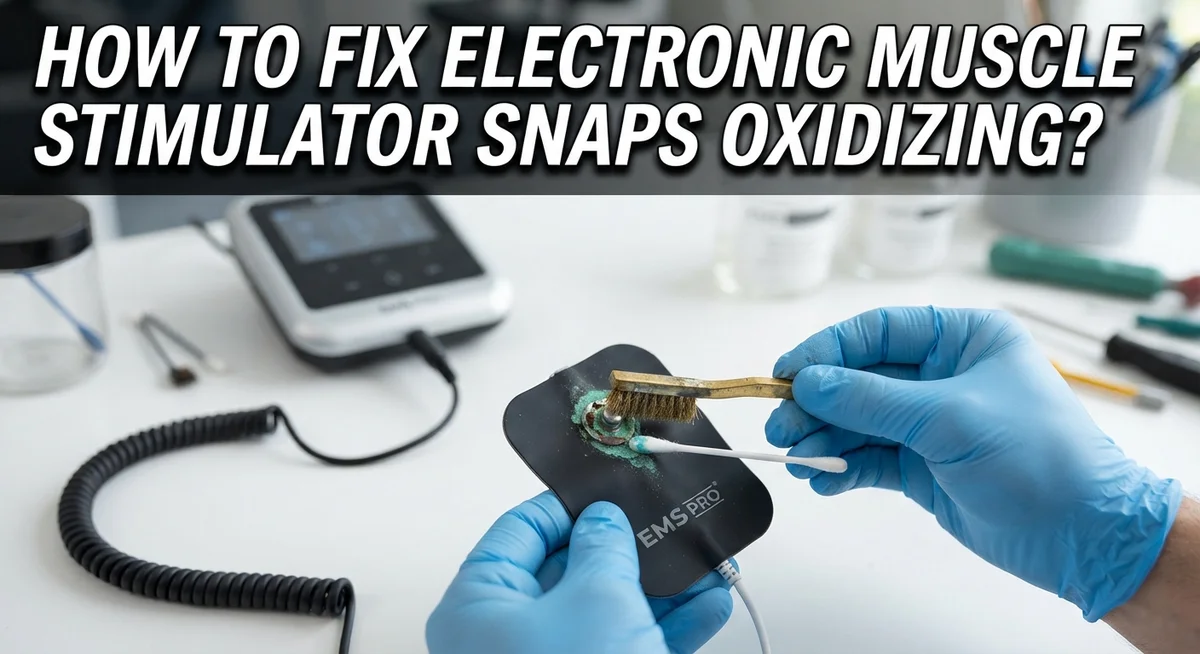
Next, use a soft brush or old toothbrush to gently scrub the snap surface. Apply light pressure in circular motions. This helps lift away the oxidation layer without damaging the metal underneath.
For stubborn oxidation, dampen a cloth with vinegar or lemon juice. These acidic solutions break down corrosion naturally. Wipe the snaps carefully, then dry them completely with a clean cloth.
Baking soda works well too. Mix it with a small amount of water to form a paste. Apply this paste to oxidized areas and scrub gently with a soft brush. Rinse thoroughly and dry immediately.
After cleaning, inspect the snaps for any remaining discoloration. If oxidation persists after multiple cleaning attempts, the snaps may need replacement. Heavily corroded snaps won’t conduct electricity well no matter how much you clean them.
Always dry your snaps completely after cleaning. Moisture left behind encourages new oxidation to form quickly. Pat them dry with a lint free cloth and let them air dry for a few minutes.
Store your device in a cool, dry place after each use. Avoid bathrooms or damp areas where humidity accelerates oxidation. A small storage box with silica gel packets helps keep moisture away.
Check your snaps weekly during regular use. Catch oxidation early before it becomes severe. This habit prevents performance problems and extends your device’s lifespan significantly.
Clean your skin with an alcohol pad before each session too. Dry it completely before attaching electrodes. This reduces moisture exposure to the snaps and slows oxidation development.
Best Practices to Prevent Future Oxidation
Preventing oxidation requires consistent habits that protect your device from the start. The most important step is keeping moisture away from your metal snaps during and after every session.
Clean your skin with an alcohol pad before each use. This removes sweat, oils, and debris that trap moisture against the snaps. Allow your skin to dry completely before attaching the electrodes. Even slight dampness creates an environment where oxidation thrives.
Apply electrode gel to your skin before connecting the device. This gel improves electrical contact and creates a barrier between your skin and the metal snaps. The gel reduces direct moisture exposure to the metal surface, which slows oxidation significantly.
Dry your snaps immediately after each session. Use a soft, lint-free cloth to wipe away any moisture or gel residue. Don’t leave your device sitting with damp snaps for hours.
Store your device in a cool, dry location between uses. Avoid bathrooms, basements, or other humid spaces where moisture lingers in the air. A bedroom closet or drawer works well. Keep the device in its original case or a protective pouch if possible.
Check your snaps weekly during regular use periods. Look for any discoloration, crusty buildup, or dull spots on the metal surface. Early detection prevents conductivity problems before they affect your sessions.
Never use your device on wet or damp skin. Wait until your skin is completely dry after showering or sweating. This simple habit prevents most oxidation issues from developing.
Replace electrode pads and snaps when they show wear. Over time, even well maintained snaps can develop minor corrosion. Fresh components ensure reliable electrical contact and better performance throughout your training.
These prevention steps are far more effective than trying to fix heavily oxidized snaps later. Consistency matters most. Small daily actions protect your investment and keep your device functioning properly for years.
Proper Storage and Device Maintenance Habits
Proper storage keeps your device working well. Store your muscle stimulator in a cool, dry location away from moisture. Humidity is the enemy of metal connectors, so avoid bathrooms or damp basements.
Keep your device in a container or bag that allows air circulation. This prevents moisture from getting trapped inside. Make sure the snaps are completely dry before putting your device away.
Check your storage area regularly. Look for signs of moisture or condensation. If you notice dampness, move your device to a better location immediately.
Establish a cleaning routine for your snaps. Wipe them down with a soft, lint free cloth after each session. This removes gel residue and sweat that can cause oxidation over time.
Clean your skin properly before every use. Use an alcohol pad to remove oils and debris from the area where you’ll place electrodes. Allow your skin to dry completely before connecting the device. Wet skin creates moisture around the snaps, which speeds up oxidation.
After your session ends, disconnect the device right away. Don’t leave the snaps sitting on your skin. The longer they stay connected, the more moisture they absorb.
Store electrode pads separately from the main device if possible. This keeps moisture from transferring between components. Replace pads when they start losing stickiness or showing wear.
Keep a maintenance log to track when you last cleaned your snaps. This helps you stay consistent with your routine. Check your snaps weekly during active use periods to catch any early signs of corrosion.
Never store your device in direct sunlight. Heat combined with humidity creates the perfect environment for oxidation. A cool shelf or drawer in your bedroom works better than a gym bag.
Temperature fluctuations also cause problems. Avoid storing your device in places that get too hot or too cold. Steady, moderate conditions are ideal for preserving your equipment and preventing snap degradation.
Common Mistakes That Accelerate Snap Corrosion
Many people accidentally speed up snap corrosion without realizing it. Understanding these mistakes helps you protect your device and keep it working properly.
Using your device on wet or damp skin is one of the biggest errors. Water creates moisture that sits directly on the metal snaps. This moisture triggers oxidation much faster than dry conditions. Even slight dampness from sweat or humidity can cause problems over time.
Storing equipment in humid environments accelerates corrosion significantly. Bathrooms, basements, and damp closets are terrible storage spots. Metal snaps oxidize rapidly when exposed to high moisture levels. Choose a dry room with good air circulation instead.
Neglecting regular connector cleaning lets corrosion build up invisibly. Many users forget that snaps need attention between sessions. Dust, dried gel, and skin oils accumulate on the metal surface. This buildup traps moisture and speeds oxidation. Weekly inspections catch problems early.
Skipping electrode gel application removes a protective barrier. The gel does more than improve adhesion. It also reduces direct contact between your skin and the metal snaps. Without this layer, sweat and moisture attack the connectors directly. Always apply gel before each session.
Leaving snaps wet after use is another common mistake. People disconnect their device and immediately pack it away. Any remaining moisture on the metal continues the oxidation process. You must dry snaps completely with a soft cloth right after every session.
Ignoring signs of early corrosion allows problems to worsen. Discolored snaps or reduced electrical contact signal oxidation has started. Waiting too long makes the damage harder to reverse. Address corrosion as soon as you notice it.
These mistakes compound over time. One bad habit leads to faster deterioration. By avoiding these errors, you significantly extend your device’s lifespan and maintain consistent performance.
Troubleshooting Persistent Conductivity Problems
When your muscle stimulator snaps stop working properly, conductivity problems usually signal oxidation has taken hold. You need to understand what’s happening so you can fix it effectively.
Oxidation appears as a dark discoloration or green film on your metal snaps. This corrosion acts like a barrier between the snap and your skin. Electrical current cannot flow through corroded metal the way it flows through clean metal. Your device may feel weak or stop working entirely during sessions.
Test your snaps by connecting them and checking if you feel the electrical stimulation. If the sensation is weak or uneven, oxidation is likely the problem. Some snaps may work fine while others fail completely. This uneven performance is a clear sign of corrosion on specific connectors.
To address existing oxidation, gently rub affected snaps with a soft, dry cloth. You can use a small amount of rubbing alcohol on the cloth to help remove corrosion. Work carefully to avoid damaging the snap structure. After cleaning, dry the snaps completely before storing your device.
For stubborn corrosion, let the snaps soak briefly in rubbing alcohol. This dissolves oxidation buildup more effectively than dry rubbing alone. Pat them dry immediately afterward. Never use water for this process, as moisture causes more oxidation.
Once you’ve cleaned the snaps, test your device on clean, dry skin. Apply electrode gel to improve contact and conductivity. The gel creates a better electrical path around any remaining minor corrosion.
If cleaning doesn’t restore full function, your snaps may need replacement. Severely corroded metal cannot conduct electricity reliably even after cleaning. Replacing worn snaps is often more practical than trying to restore heavily oxidized connectors. This ensures your device performs at full strength again.
Final Thoughts
Fixing oxidized snaps on your electronic muscle stimulator does not have to be complicated. Simple habits make the biggest difference over time.
Clean your skin before every session. Dry it fully. This small step blocks most moisture problems before they start.
Prevention beats repair every single time. Once oxidation sets in, cleaning helps, but it rarely restores snaps to their original condition. Replacing damaged connectors often becomes the better long term choice.
Store your device properly after each use. A dry, cool spot keeps corrosion away and protects your investment.
Check your snaps regularly. Look for discoloration or a dull green film. Catching problems early saves you time and money later.
Use electrode gel every time you use your device. It creates a barrier between moisture and metal, and it also improves your stimulation quality.
Remember that oxidation spreads quietly. You might not notice it until your device stops working well. Regular checks help you catch issues before they affect your therapy sessions.
If you follow a consistent cleaning and storage routine, your snaps should last much longer. Skipping steps, even occasionally, increases your risk of corrosion.
Your muscle stimulator is a helpful tool for recovery and performance. Taking care of the hardware keeps it reliable when you need it most.
Good maintenance is not hard. It just requires consistency. Clean skin, dry snaps, proper storage, and quick action at the first sign of trouble will keep your device working well for a long time.
In the end, a little care goes a long way. Treat your snaps well, and they will keep delivering the results you expect from your device.
Frequently Asked Questions
What causes metal snaps to oxidize on my muscle stimulator?
Metal snaps oxidize when moisture and oxygen combine on the connector surface. This happens most often when you use your device on wet or damp skin. Sweat, humidity, and improper storage all speed up this process. Oxidation reduces electrical conductivity, which means your stimulator won’t work as well.
The metal snaps are exposed to your skin’s moisture during every session. If you don’t dry them afterward, corrosion begins forming right away. Storing your device in humid rooms or damp bags makes oxidation worse.
How do I know if my snaps are oxidized?
Look for dark discoloration or a green film on your metal connectors. Oxidized snaps appear dull instead of shiny. You might notice your stimulator feels weaker or doesn’t deliver consistent pulses.
Test your device by connecting the snaps and turning it on. If you feel less stimulation than usual, oxidation is likely the culprit. Some people don’t feel any sensation at all when corrosion is severe.
Can I clean oxidized snaps myself?
Yes. Gently rub affected snaps with a soft, dry cloth to remove surface corrosion. For stubborn buildup, let the snaps soak briefly in rubbing alcohol. Wipe them completely dry before using your device again.
Test your stimulator on clean, dry skin after cleaning. If your snaps still don’t work properly, they may need replacement.
Why is prevention better than fixing oxidation?
Prevention stops problems before they start. Once oxidation builds up heavily, cleaning becomes difficult. Replacing snaps costs more time and money than maintaining them properly.
Consistent care keeps your device working reliably for years.

Welcome to The File Fix. I’m Millie, and I review tech so you don’t have to suffer buyer’s remorse.
Navigating the endless sea of Amazon devices and gadget releases can feel like a full-time job. That’s why I do the heavy lifting. I dig past the unreliable 5-star reviews and shiny spec sheets to test how these devices actually hold up in the real world. Whether you’re looking for the best budget earbuds, a reliable power bank, or the latest smart home gear, you’ll find honest, no-nonsense breakdowns here.