Paper Shoot Camera Review 2026: Is This Worth Your Time?
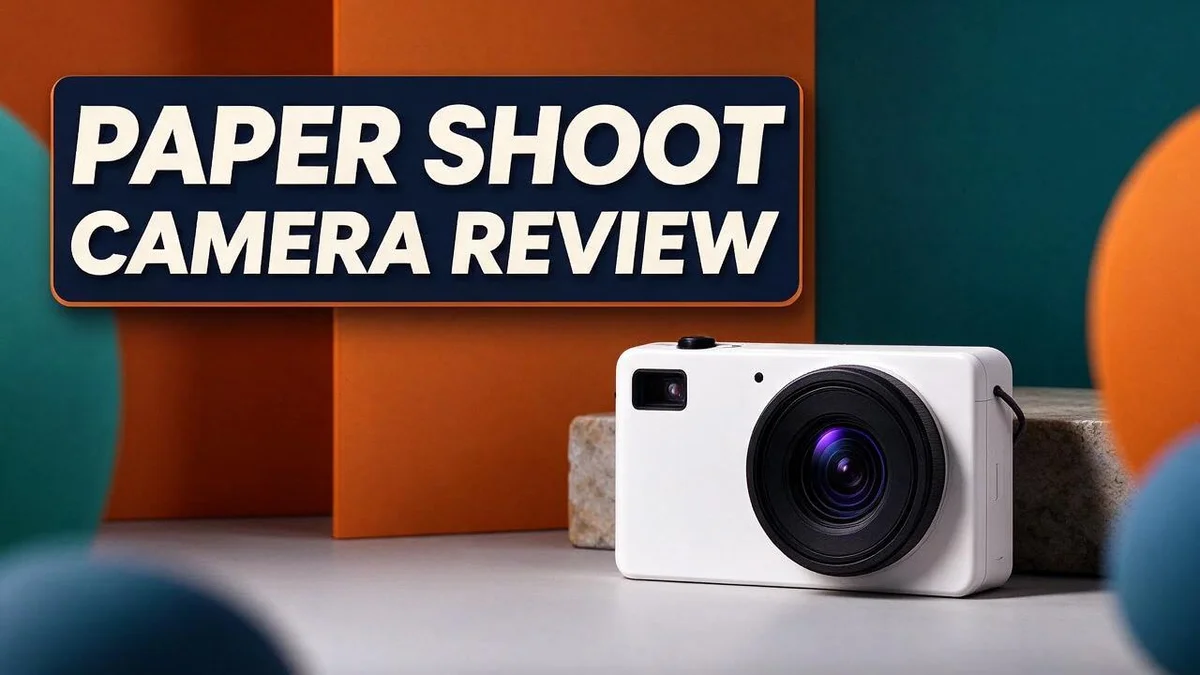
Have you ever wanted a camera that feels like a fun toy? The Paper Shoot camera might be the answer. It gives you a retro look that many photographers find charming.
Fans describe it as a playful way to take photos. Reviewers say it takes decent pictures for such a simple camera. One user on the r/Cameras forum noticed little noise in moderate light and sharper results than expected.
The camera uses a 13MP sensor and a 22mm equivalent lens with an f/2 aperture. It also comes with four filters, so you can play with color and mood. It uses SD cards and AAA batteries.
In a Nutshell
- A vintage look: Photos show a soft, retro style that many people enjoy. The results feel warm and nostalgic, which suits casual snapshots well.
- Clean results in dim light: A camera forum user noticed little grain in moderate light. Pictures also look sharper than many people expect from a camera like this.
- Four filters in the box: The kit includes four filters. You can change the mood of each shot without editing it later.
- Simple power and storage: The camera runs on AAA batteries and stores photos on an SD card. It also supports USB, so moving files stays easy.
- Mixed reviews overall: A 2020 review gave it the title “Pretty imperfect.” Buyers should expect a few rough edges along with the charm.
- Other ways to shoot: Pinhole cameras, instant cameras, and phone apps offer similar creative fun. Other paper camera models also appeal to people who enjoy this style.
Build and Paper Construction

- STAY PRESENT: Old school screen-free design helps you capture the moment without constantly checking after every shot. KLIK combines that distraction-free experience with 8MP resolution and up to 500 shots per charge.
- ALL THE FEATURES YOU NEED: Multi-use fixed-focus lens, built-in LED flash, rechargeable battery, and 3 preset film-look filters are all included so you can get snapping right away.
Some of the links on this website are affiliate links, which means that at no additional cost to you, I earn a commission if you click through and make a purchase. I only recommend products and services that I believe will add value to my readers. Thank you for your support!
The Paper Shoot is a camera made mostly from paper. That idea sounds odd at first. Once you hold it, the design makes sense.
The body feels light in your hands. You can slip it into a bag or coat pocket with ease. Few cameras travel this easily.
Paper cameras of this style often feel more like a craft project than a gadget. Many people enjoy this slow, crafty feeling.
Paper is not the same as plastic. It bends easily and tears if you press too hard. Treat the body with care.
Compare this with a plastic compact, which handles bumps better. Paper trades strength for charm and low weight.
Moisture is the biggest enemy. Rain, sweat, and damp pockets can soften the paper. Keep the camera dry on outdoor trips.
Fold lines and corners may wear over time. Check the edges often. A small tear can grow fast if you ignore it.
Heat matters too. Leaving it on a hot dashboard can warp the shell. Shade keeps the body flat and neat.
Extra protection helps a lot. A small pouch or zip bag keeps dust off the lens area. Some owners also keep spare tape nearby.
Think about your daily routine. A light body suits street walks and travel days. Heavy bags can crush a paper shell, so store it on top.
The build also affects the shooting feel. A paper shell can flex slightly under your grip. Hold it with both hands for steadier frames.
Simple care makes a big difference. Wipe the surface with a dry cloth. Avoid harsh cleaners that can soak into the material.
Overall, the paper build suits curious beginners. It invites play and experimentation. Treat it gently, and it can last through many outings.
Image Character and Lens Look
Every photo starts with how the lens sees the world. With this camera, that view feels soft and gentle. Many shooters find the mood changes from one frame to the next.
Edges often fade into a gentle blur, so your eye lands on the center first. This suits portraits of friends, pets, or a cup of coffee on a wooden table. Keep the main subject near the middle.
Colors lean warm and a little faded. Bright blues may look softer than you expect. Skin tones often look natural, which helps people relax in front of the lens.
Light plays a big role in the final look. Soft window light gives the most pleasing results. Harsh midday sun can wash out highlights and flatten fine details.
Try shooting in open shade when you can. The shade keeps contrast gentle and even. Step closer so the face fills the frame.
Background matters as well. Busy scenes can compete with your subject. Plain walls or leafy trees let the subject stand out. Look around before you frame the shot.
Focus habits matter too. Keep subjects at a comfortable distance rather than right up to the lens. Patient framing often beats quick snaps.
Movement needs care. Keep still when you press the shutter, and hold the body steady with both hands. Gentle motion can add charm to a candid moment.
Think about your story before you press the shutter. A slightly dreamy street scene can feel like a memory. A sharp group photo may need a different tool.
Do not count on fine control over depth of field. One user could not confirm how the aperture adjusts, so shoot a test roll of simple scenes first. Learning the look takes a few tries, and that is part of the fun.
Many people keep a small notebook with this camera. They jot down the light, the time, and the mood of each shot. Over time, patterns appear and results improve.
Viewfinder and Everyday Handling
The viewfinder is your main guide for framing each shot. You raise the camera, look through the window, and pick your subject. It sounds simple, but this small window needs some practice.
Expect a learning curve. Many people find the view a little different from what they expect. Take a few test shots at home so you know where the edges really fall.
Hold the camera with both hands. A steady grip keeps the frame level and reduces blur. Rest your elbows near your body when you wait for a moment.
Your grip shapes every frame. Your thumb or fingers can cover part of the lens area by accident. Check the edges before each shot so nothing blocks the view.
The light body helps on long days. You can carry it in a bag or coat pocket without strain. A small strap also makes it easier to hold during quick walks.
Lift the camera slowly when you spot a scene. Quick movements can shift the angle before you press the shutter. Pause for a second, breathe, and then take the photo.
Use the viewfinder as a guide, not a rule. Small shifts in framing can change the mood of a photo. Take one step to the left or right to find a cleaner composition.
Handling also depends on your daily habits. A quick check of the frame before each shot builds good routines. Over time, your hands learn the camera and your eye learns its quirks.
Practice in your own space before a trip. Walk around your home and frame chairs, plants, and windows. This quick drill shows how the viewfinder lines up with the final picture.
With these habits, the camera feels natural much faster. You spend less time fiddling and more time noticing small moments around you.
Top 3 Alternatives
If you want other options besides the main pick, these three cameras make great alternatives. Each one prints photos fast, so you can share memories right away.
Fujifilm Instax Mini

- COMPACT INSTANT CAMERA: Compact, fun design makes the instax mini 12 instant camera easy to carry and use; simply twist the lens to turn the camera on and off and start taking instant photos.
- SELFIE & CLOSE-UP MODE: Built-in selfie mirror helps you frame selfies, while Close-Up mode with parallax correction helps position subjects accurately for close-up instant photos.

Some of the links on this website are affiliate links, which means that at no additional cost to you, I earn a commission if you click through and make a purchase. I only recommend products and services that I believe will add value to my readers. Thank you for your support!
The Fujifilm Instax Mini is a fun choice for families and parties. It prints instant photos that look like classic snapshots. The prints come out in a few minutes. Many people love the bright colors and the simple design. Everyone in the group can grab a copy and keep it.
Kodak Printomatic

- ALL-IN-ONE PHOTOGRAPHY - The PRINTOMATIC Camera offers a combination of a powerful 5MP sensor with a wide angle f/2 lens that instantly prints vibrant photos.
- FAST EASY AND FUN – This Point and Shoot the camera speed allows you to shoot a new photo while printing the previous shot. It also comes equipped with a light sensor that will automatically turn on the flash in low-light settings
Some of the links on this website are affiliate links, which means that at no additional cost to you, I earn a commission if you click through and make a purchase. I only recommend products and services that I believe will add value to my readers. Thank you for your support!
The Kodak Printomatic works a little differently. It uses zero ink paper, so you never need to buy or change ink cartridges. You can print pictures straight from your phone. The small photos are perfect for stickers, journals, or notes. It is a good pick for people who like to edit photos before they print.
Polaroid Go

- Bundle Includes: Polaroid Go Generation 3 in Purple, Camera Bag, Microfiber Cloth, Wrist Strap. Keep your Polaroid camera protected and photo-ready with the included carrying case.
- Selfies Made Easy: Get everyone in the picture with the Polaroid Go 3. The built-in selfie mirror helps you frame the perfect selfie, while the convenient self-timer gives you time to strike a pose. Perfect for capturing smiles, fun moments with friends, and unforgettable adventures together.
Some of the links on this website are affiliate links, which means that at no additional cost to you, I earn a commission if you click through and make a purchase. I only recommend products and services that I believe will add value to my readers. Thank you for your support!
The Polaroid Go is the smallest option on this list. It uses classic instant film and gives a retro feel. Its tiny body fits in a bag or coat pocket. It suits anyone who wants to carry a camera everywhere. You can capture quick, candid moments as they happen.
Filters and Creative Effects
Creative play is a big reason people pick up the Paper Shoot. The camera includes four filters, so you can change the mood of your pictures without any editing apps. Each filter adds its own personality to a scene.
Start with one filter for a full day. This helps you see how it reacts to sunny streets, cloudy parks, and indoor corners. Keep a simple note of which filter suits which place. Over time, you will build a personal style.
The retro, lofi look is the main draw here. Many reviewers describe the camera as a fun toy that still takes decent pictures. That mix of charm and surprise keeps every outing exciting. Friends often ask about the results after a day out.
Filters work best when the subject stays simple. Bold colors and strong shapes show the effect clearly. Busy scenes can blur the look into a muddy mix, so pick one clear subject per frame.
Think about the story you want to tell. A filter can turn a quiet street into a nostalgic memory. It can also give a family picnic a dreamy, old fashioned feel. Choose the effect that matches the emotion you want to share.
Low light deserves extra thought. Some filters may make dim scenes even darker. Move closer to your subject or stand near a window. Reviewers have noted that moderate light gives cleaner results, so look for that kind of light before you press the shutter.
Mixing filters can lead to happy surprises. Try the same scene with two or three options and compare the results side by side. This simple test teaches you more than any guide can. It also turns shooting into a playful game.
Keep your expectations open. The Paper Shoot is not a tool for precise editing. Instead, it rewards curiosity and bold choices. Let the filters guide your creativity, and enjoy the unexpected results that show up along the way.
Power, Storage and Connections
Power is a small detail, but it shapes your whole day with this camera. The Paper Shoot runs on AAA batteries, which you can swap without special tools.
Keep a spare set in your bag before any trip. A small pouch keeps them safe from loose coins and keys.
Rechargeable AAA cells can also work, so you cut down on waste. Check the manual first to confirm they suit your model.
Check the power level before a long walk. A quick look now saves you from missing a scene later.
Turn the camera off when you finish shooting. This simple habit saves power and keeps your batteries ready for the next outing.
Storage comes next. The camera uses an SD card to hold every photo you take.
Choose a card with plenty of room for a full day of shooting. Avoid cards you do not trust, since a failing card can cost you a whole roll of memories. Format it inside the camera before your first trip. This step helps the camera write files cleanly.
Carry one spare card in a small case. Label each card with a date, so you can sort your files later.
Copy your photos to a computer soon after each outing. This habit protects your work if a card goes missing or fails.
Connections finish the setup. The camera supports USB, which gives you a wired link to a computer.
Check the manual to see whether the port handles charging, data transfer, or both. Use a cable that fits the port snugly. Keep that cable in your camera bag so you never hunt for it.
Never force a plug into the port. Gentle handling keeps the connector working for years. Keep the port clean and dry, too.
Good power, storage, and connection habits make the camera feel easy to use. You spend less time on setup and more time on pictures.
Pros and Cons
Pros
- Photos get a vintage feel without any editing.
- Mynavi calls it a fun toy that takes decent pictures.
- Moderate light shots show very little noise.
- Many shots look sharper than people expect.
Cons
- A 2020 review called it “Pretty imperfect.”
- Some users could not confirm the aperture adjustment.
- Results vary a lot from shot to shot.
- Viewfinder quirks can frustrate some shooters.
Who Should Buy It
The Paper Shoot suits a certain kind of photographer. It works best for people who enjoy the process as much as the final picture.
Creative hobbyists are a natural fit. They enjoy trying new looks and unexpected results. If you love experimenting with style, this camera gives you plenty to explore.
Beginners can also benefit from this camera. It teaches you to slow down. You think about framing, light, and timing before each press of the shutter.
Travelers who want a break from screens may enjoy it too. Your phone can stay in your pocket. You can focus on the street, the café, or the people around you.
Gift shoppers should consider it as well. People who love film style images often feel delighted when they open the box. The gift invites them to shoot right away.
Slow photography fans appreciate the pace this camera sets. Each photo feels more deliberate. Many people find that calm rhythm relaxing.
Families with curious kids may find it a fun shared project. Kids can explore framing and light with an adult nearby. Keep the camera simple and let them lead.
Who should look elsewhere? Anyone who needs fast action shots may feel frustrated. Sports fans and event photographers need speed and reliability. A simple paper camera rarely keeps up.
Professionals who need consistent results for paid work should choose other tools. Shooters who want detailed control may also feel limited. This camera values surprise over precision.
Still unsure? Compare it with a pinhole camera or an instant camera. Each option offers a playful feel. Compare how each one feels in your hands. Pick the one that matches your goals and your patience.
Overall, the right buyer is curious, patient, and open to surprise. If that describes you, the Paper Shoot may bring a lot of quiet joy.
Final Verdict
The Paper Shoot wins points for charm. It turns simple moments into keepers. Its results feel like a memory from an old photo album.
Think of this camera as a creative companion rather than a daily workhorse. It rewards curiosity. It also asks for patience, since every frame carries a little surprise.
Strength and weakness both come from the same place. The soft, unpredictable look that delights one shooter can frustrate another. Your own taste decides the outcome.
Before you buy, picture your typical day. Will you shoot scenes, people, or quick moments? If you prefer control and speed, you may feel limited. If you enjoy slowing down, the camera feels right at home.
Consider your goals for the next few months. Do you want a camera that makes you pause and look closer? Then this one deserves a spot in your bag.
Another smart move is to pair it with a second camera. Use the Paper Shoot for slow outings and a faster device for busy days. Together, they cover both moods.
Your learning goals matter too. The camera teaches you to frame shots with care. You learn to wait for light, and you learn to trust your eye.
Patience becomes the real skill here. Every outing teaches a lesson about timing and mood. Keep notes after each trip, and you will spot patterns fast.
Our verdict is simple. The Paper Shoot works best as a second camera, a gift, or a learning tool for slow, joyful photography. Treat it as a playful experiment, and you will likely enjoy the ride.
Keep your expectations realistic from day one. Pictures will vary, and that is part of the fun. Share your favorite shots with friends, and you may spark new ideas for your own projects.
Finally, enjoy the process. Good photos often arrive when you stop chasing perfection. That mindset makes this camera feel special.
Frequently Asked Questions
What should I shoot first with this camera?
Start with bright, still subjects like flowers, cafe tables, or quiet street corners. Simple scenes help you learn how the camera handles light and timing. Save busy crowds and fast movement for later, once you know what to expect.
Can I see real sample photos before I buy?
Yes, the r/Cameras community often shares sample shots and discussions. Search the forum for Paper Shoot threads to see how other people frame their pictures. Real examples give you a clear sense of the mood and color you can expect.
Do the photos work well for social media?
Yes, the unique look can make a feed feel fresh. Viewers often stop to look twice at a retro image. Posting a small series of photos from one outing tells a story and keeps your project going.
How do other people react when they see it?
Most people smile and ask questions about the paper body. It can look like a craft project at first glance. Some people may assume it is only a toy, so be ready to share your creative goal. A friendly explanation often turns curiosity into a fun conversation.

Welcome to The File Fix. I’m Millie, and I review tech so you don’t have to suffer buyer’s remorse.
Navigating the endless sea of Amazon devices and gadget releases can feel like a full-time job. That’s why I do the heavy lifting. I dig past the unreliable 5-star reviews and shiny spec sheets to test how these devices actually hold up in the real world. Whether you’re looking for the best budget earbuds, a reliable power bank, or the latest smart home gear, you’ll find honest, no-nonsense breakdowns here.