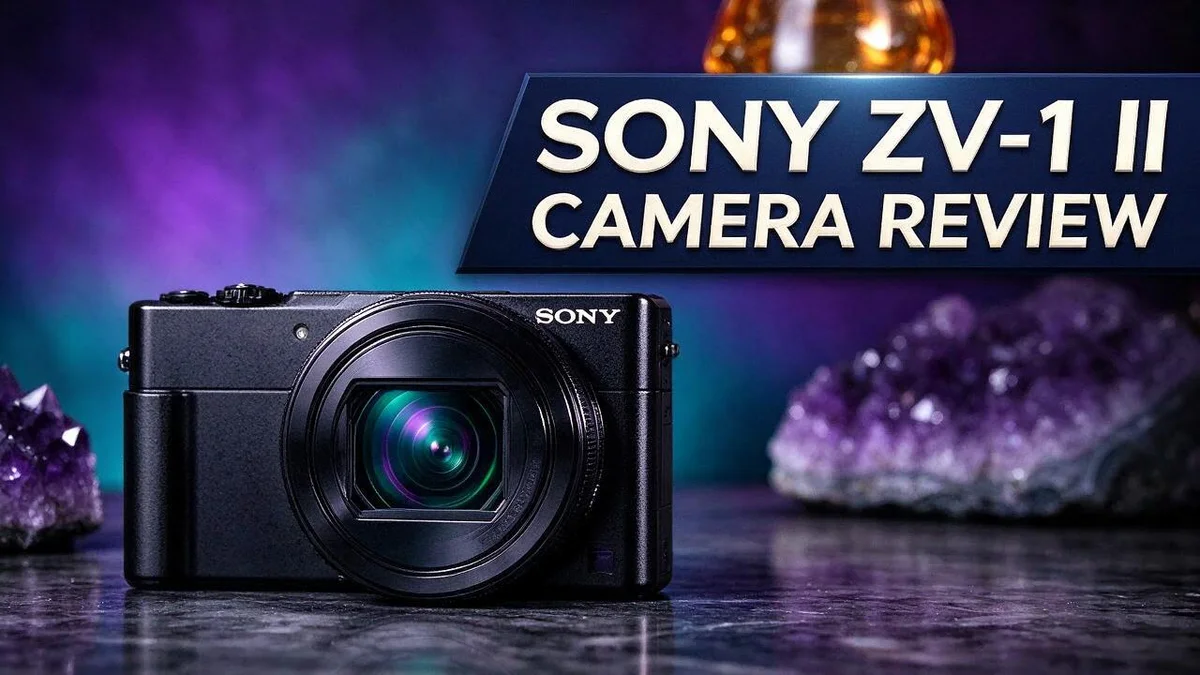
Sony ZV-1 II Review: 1.0-Inch Sensor Vlogging Camera Tested
Are you looking for a camera that fits in your pocket and still delivers great footage? The Sony ZV-1 II could be the perfect match. It is built for creators who love to film on the go.
Inside this camera sits a 1.0 type Exmor RS stacked CMOS sensor. It captures roughly 20 to 21 megapixels, so your photos and videos look sharp and clear.
The lens covers an 18 to 50mm range. That gives you a wide angle view for vlogs and selfies. A built in 1/8 ND filter also helps you control light in bright scenes.
Sound matters too. The intelligent microphone picks up your voice with ease. Paired with its compact body, this camera keeps shooting simple.
Ready to see if it earns a spot in your bag? Let’s take a closer look at what the ZV-1 II offers and who it suits best.
In a Nutshell
- A filter for bright light. The 1/8 ND filter cuts the amount of light entering the lens. This lets you shoot with a wide opening outdoors without overexposing the image.
- Roughly 20 to 21 megapixels. Sources differ a little on the exact count. Either way, the resolution gives you plenty of room to crop and edit your footage.
- Made for solo creators. Its compact body suits people who film themselves while walking, traveling, or setting up quick shots. You can carry it all day without feeling weighed down.
- Strong rivals to compare. Many buyers weigh it against the Sony ZV-1 Mark I, the ZV-1F, and the Canon PowerShot V10. Each model offers a slightly different mix of features.
- Video focus sets the lineup apart. One forum discussion judged the original ZV-1 better for video. Compare both models closely if video quality matters most to you.
- Other camera styles deserve a look. The Canon M50 Mark II and Panasonic Lumix 100II offer a different body style. They may suit creators who want more control over lenses.
Sensor and Image Quality

- Sony USA Authorized. ZV-1 II (black) with 64GB Extreme PRO card, memory card reader, soft case, flexible tripod, and cleaning kit.
- Perfect All-in-One Vlog Camera – The Sony ZV-1 II is a compact powerhouse with a fast 18–50 mm (equiv.) lens, ideal for selfies, tight interiors, or relaxed wide-framed shots. With lock-on autofocus, face recognition, and Auto Exposure optimized for people, it effortlessly keeps the focus on you while you create content—no fumbling with settings required.
Some of the links on this website are affiliate links, which means that at no additional cost to you, I earn a commission if you click through and make a purchase. I only recommend products and services that I believe will add value to my readers. Thank you for your support!
The sensor does most of the heavy lifting in any camera. Inside this compact model, a larger sensor gathers more light. That difference shows most when you film indoors or near sunset.
Image quality shows up in the small details. Skin tones look natural, and colors stay true under mixed lighting. Your footage needs less correction later.
Low light is where the sensor earns its keep. Cafes, living rooms, and evening streets often look clean. You can hold the camera handheld without pushing the settings too far.
Dynamic range describes how much detail survives in both shadows and highlights. A bright window and a face in shade can share one frame. Less detail gets lost to pure white or pure black.
Background blur also depends on sensor size. Your subject stands out from the backdrop more clearly than a phone can manage. Many creators prefer this soft look for talking head videos.
Noise appears when you push the ISO higher. Grain grows in dim scenes, but the footage stays usable for social posts. Planning shoots around good daylight keeps the image cleanest.
Editing flexibility is another strong point. Files hold up well when you adjust exposure or white balance. Recovered shadows look smoother than they would from a smaller sensor.
Cropping works well too. Reframing a shot in post keeps enough resolution for full HD or vertical clips. This helps solo creators who cannot always move the camera.
Consistency across a long shoot matters too. Colors stay steady when light changes during a single session. That makes editing faster and clips easier to match.
Who benefits most? Vloggers who edit their own clips notice the gap first. Casual snapshot shooters still get pleasing results, but the difference feels less dramatic.
Lens and Zoom Range
Lens choice shapes every frame you record. The ZV-1 II uses a fixed lens, so you never swap glass in the field. That keeps your bag light and your setup quick.
Think about where you film. At the wide end, you can fit a whole room or a small group into the frame. This helps when you record tours, cooking clips, or travel scenes.
Now picture a closer view. Zooming in brings your subject closer without moving your feet. Many creators use this to highlight product details or facial expressions.
Here is the equivalent view. On a full frame camera, the lens acts like about a 24 to 70mm zoom. This comparison helps people who already know their favorite focal lengths.
The zoom control sits right on the lens, so you can adjust while you talk. Quick changes matter for vlogs. Smooth movement keeps the viewer focused on you.
Digital zoom works differently. It enlarges pixels and can soften detail. Use the optical zoom first when you need a closer view.
Autofocus should track your face as the frame changes. Test this before a long shoot so you know what to expect.
Who gains the most? Solo creators who switch between wide and tight shots gain the most. Travelers also benefit because one lens covers many scenes.
Practice tip: Set a few favorite zoom positions. Mark them mentally so you can change framing fast.
Zoom range also helps with stability. Holding a tight shot can show every small shake. Rest your elbows on your body or use a small tripod to keep the frame steady.
Light changes as you zoom too. A tight shot often isolates a bright subject while a wide shot shows more background. Check your exposure at both ends before you start recording.
Finally, one lens covers most everyday scenes. You rarely need extra glass for daily clips or quick social posts.
Vlogging Features and Built-in Audio
Good sound keeps viewers watching. Many people forgive a slightly soft picture. They rarely forgive words that are hard to hear. The Sony ZV-1 II places real focus on voice capture through its intelligent microphone.
The microphone sits close to your face when you film at arm’s length. That position helps your voice stay clear. Background noise from traffic or busy cafes can still slip in. Your speaking distance matters a lot.
Wind is the enemy of outdoor vlogs. Even a light breeze can roar across a microphone. Pick a calm spot when you can. Keep your voice steady and face the lens directly.
Built in audio works well for quick clips. Longer projects often call for extra gear. A small external microphone can capture cleaner sound for interviews. Accessories like this keep your options open as your channel grows.
Watch the audio meter while you talk. Peaks that hit the top can distort your voice. Aim for levels that bounce in the middle range. Small changes now prevent big headaches in editing.
Test the sound before every shoot. Record a ten second clip and play it back with headphones. Listen for hiss, echo, or muffled words. Quick checks save hours of frustration later.
Audio also shapes your pacing. Clear speech lets viewers follow your tips without rewinding. Pause briefly between sentences so editors can cut clean breaks. Good sound makes every shot feel more polished.
Mount the camera on a steady base. A small tripod keeps the frame still while you speak. Shaky footage draws attention away from your words. Stable video and clear audio work together to hold attention.
Practice your opening line until it sounds natural. Many creators record a short intro and then adjust their tone. A relaxed voice builds trust fast. Viewers feel more comfortable when the speaker sounds calm.
Clear sound and smooth framing help you look like a pro. Start with small tests and grow from there. Your audience will notice the care you take.
Top 3 Alternatives
Canon PowerShot G7 X

- Canon USA Authorized. Items Include: Canon PowerShot G7 X Mark III Digital Camera (Black), NB-13L Battery Pack, Canon CB-2LH Battery Charger, WS-DC12 Wrist Strap, Shoulder Bag, 64GB Memory Card
- Crisp Photos in a Compact Package - The PowerShot G7 X Mark III is built for sharp, vibrant photos without the bulk of a big camera. Its 20.1MP sensor and bright lens capture beautiful detail, even in low light. Whether it’s your morning latte, a night out with friends, or scenic vacation views, this camera delivers high-quality shots every time.
Some of the links on this website are affiliate links, which means that at no additional cost to you, I earn a commission if you click through and make a purchase. I only recommend products and services that I believe will add value to my readers. Thank you for your support!
The Canon PowerShot G7 X fits easily in a pocket, so you can carry it everywhere. It uses a one inch sensor that delivers clear footage in good light.
It features a flip screen that helps you check your framing while you record yourself. This makes it a favorite for vloggers and solo creators. Its touchscreen controls also make quick changes simple. Its fast lens creates soft backgrounds in photos.
Panasonic Lumix ZS200

- Exceptional Zoom for Distant Detail: A 15x optical zoom captures distant subjects in crisp detail at concerts, sports events, and travel destinations. A high-performance Leica-standard lens covers an impressive focal range from 24mm to 360mm telephoto.
- 4K Video & Photo Quality: 4K video recording allows breathtaking travel scenes to be rendered with true-to-life details. 4K photo mode with 30fps captures fast-moving scenes and saves the perfect moment later as a high-resolution still.

Some of the links on this website are affiliate links, which means that at no additional cost to you, I earn a commission if you click through and make a purchase. I only recommend products and services that I believe will add value to my readers. Thank you for your support!
The Panasonic Lumix ZS200 gives you a long zoom in a small body. You can reach distant subjects without moving closer to them.
It works well for travel and family events. Its wide zoom range lets you switch from landscapes to close portraits fast. Beginners often find its auto modes helpful for learning the basics.
Fujifilm X100VI

- Bundle Includes: FUJIFILM X100VI Digital Camera (Silver), 64GB Card, Memory Card Reader, Deluxe Soft Case, Memory Card Wallet, Diginerds Cleaning Kit
- Introducing the Fujifilm 6th-gen X100VI, with its timeless dial-based design that ensures an indulgent and tactile shooting experience. Capture unforgettable moments with each click and experience the essence of photography with Fujis X100 Series.
Some of the links on this website are affiliate links, which means that at no additional cost to you, I earn a commission if you click through and make a purchase. I only recommend products and services that I believe will add value to my readers. Thank you for your support!
The Fujifilm X100VI has a classic rangefinder style that many people admire. Its fixed lens and large sensor produce rich colors and smooth backgrounds.
Photographers love its physical dials. They give you direct control over shutter speed and aperture. It suits street photography, portraits, and everyday moments. Its quiet operation helps you stay discreet in busy places.
Ease of Use and Controls
Good controls make shooting feel natural. A camera can have strong specs, but you still need to reach the right setting fast. The Sony ZV-1 II keeps its controls simple and easy to find. Most creators feel comfortable after one short practice session.
The body fits easily in one hand. That compact size helps when you hold the camera at arm’s length. You can also place it on a small table for quick talking clips without a large rig.
Menus deserve some time before your first shoot. Look for the settings you change most often, such as recording format, focus mode, and white balance. Check whether the menu lets you pin favorite items, so these options stay within reach.
Button placement affects your flow. Your thumb should find the record button without looking. Practice this at home with the lights off. Muscle memory saves time when a great moment happens quickly.
If your model offers custom buttons, assign the function you use most. This small step removes extra menu taps. You can focus on the scene instead of the screen.
Clear clutter from the display as well. Turn off guides you never use. A cleaner screen makes the important icons easier to read at a glance.
Beginners often wonder if they need a manual. Read the basics first, then focus on shooting modes and exposure. Spend twenty minutes filming short test clips, and you will learn faster than from reading alone.
Start with automatic settings. Switch to manual once you understand how each control changes the picture. Small adjustments add up over time, and your confidence grows with each shoot.
Keep a spare battery nearby for long sessions. Power loss in the middle of a story can break your rhythm. A charged backup keeps you focused on your message.
Who gains from this setup? New creators who want fewer steps gain the most. Experienced users appreciate that the core controls stay out of the way. Either way, the camera rewards regular practice.
Pros and Cons
Pros
- The 1.0 type sensor delivers clean, detailed images.
- The compact body makes it easy to carry anywhere.
- The 18 to 50mm lens gives a wide view for close vlogging shots.
- The built in 1/8 ND filter helps you handle bright scenes.
- The intelligent microphone captures clear voice audio.
Cons
- The 18 to 50mm range offers limited reach for distant subjects.
- The smaller sensor produces less background blur than full frame cameras.
- The compact design leaves little room for extra controls.
Who Should Buy It
The Sony ZV-1 II suits a specific type of creator. Solo creators who film themselves sit at the top of the list. They need a camera that starts fast and travels well.
Travelers also gain plenty from this model. Packing light for a trip matters. You can record street scenes, local food, and sunset walks without hauling extra gear.
First time filmmakers benefit too. You can learn framing, lighting, and pacing with one camera. Growth happens faster when you practice often with gear you enjoy using.
Phone users ready to upgrade also fit this group. Phone footage often looks flat in mixed light. A dedicated camera brings more control over how your videos look.
Small business owners also find real use here. Short product demos, tutorials, and behind the scenes clips look polished. You can publish often without hiring a film crew.
Hobbyists with a second camera can use this one as a backup. Keep it in a bag for surprise moments. Quick grabs at parties or hikes become easy.
Social media creators gain the most from quick posting. A simple workflow keeps ideas moving from camera to screen. You spend more time creating and less time fixing footage.
This camera may not suit every shooter. Wildlife filmers need much longer reach. Sports fans shooting in dim arenas may need stronger low light performance.
Event shooters who need lens swaps should look elsewhere. This model keeps one fixed lens. Changing focal lengths on the go is not possible.
Ask yourself a few questions before you decide. Do you film mostly yourself? Do you want simple gear for trips? Do you need distant subjects in tight frames?
Set a clear goal before buying. Write down the videos you plan to make. This simple step shows whether the camera matches your plans.
If most answers point to yes, this camera fits well. Your daily filming feels smoother. Your finished videos look sharp and ready to share.
Final Verdict
The Sony ZV-1 II stands out as a capable camera for creators who want strong picture quality in a small package. Our final take leans positive for most vloggers.
Many shoppers compare this model with its own family. The older Sony ZV-1 Mark I and the ZV-1F sit nearby in the lineup. Look at each one side by side before you decide.
A forum discussion also pitted this camera against the Panasonic Lumix 100II. Members judged the ZV-1 better for video.
If video matters most, that comparison carries real weight. Still, your own tests matter more than online opinions.
The Canon PowerShot V10 also targets vloggers. The Canon M50 Mark II takes a different path with swappable lenses.
Your best pick depends on how you plan to shoot. A fixed zoom suits solo filming at close range. Interchangeable lenses suit creators who change setups often.
The research found no major drawbacks to list. That does not mean the camera is flawless. Every buyer should test it in real conditions.
Film a short clip in your usual location. Check focus, sound, and how the screen looks outdoors.
Your own footage will tell you the most. Trust that result over any single review.
Think about your shooting plans for the next six months. Consider which subjects you will film most often.
If your style may shift, pick a camera that grows with you. Look for room to upgrade your skills and gear later.
The Sony ZV-1 II fits creators who shoot close, move often, and post fast. It also suits anyone who wants a dependable camera without changing lenses.
Choose it with confidence if your needs match these points.
Finally, remember that camera choice is personal. The right model feels easy in your hand and fits your workflow.
Take your time, compare options, and enjoy the process of creating.
Frequently Asked Questions
Is the Sony ZV-1 II easy to learn?
Yes, most new creators learn it quickly. Spend a few sessions testing the menus so you know where key settings sit. Practice builds confidence fast, so start with simple shots.
Can I shoot good footage near a window?
Yes, window light gives soft and flattering results. Place your subject facing the window for even light. Avoid harsh direct sunlight, since it creates strong shadows on faces.
What should I check before my first shoot?
Charge the battery fully before you leave home. Make sure your memory card has free space for longer clips. Record a short test clip and listen with headphones to check voice levels. A quick test saves time on set.
Do I need extra gear to get started?
A small tripod or handheld grip keeps your shots steady. These items help most new users because they reduce shaky footage. Skip extra accessories until you know your shooting style.
How do I decide if this camera fits my phone habits?
Shoot a few clips on your phone first. Note the shots you wanted but could not get. Those gaps show what this camera can fix.
Welcome to The File Fix. I’m Millie, and I review tech so you don’t have to suffer buyer’s remorse.
Navigating the endless sea of Amazon devices and gadget releases can feel like a full-time job. That’s why I do the heavy lifting. I dig past the unreliable 5-star reviews and shiny spec sheets to test how these devices actually hold up in the real world. Whether you’re looking for the best budget earbuds, a reliable power bank, or the latest smart home gear, you’ll find honest, no-nonsense breakdowns here.