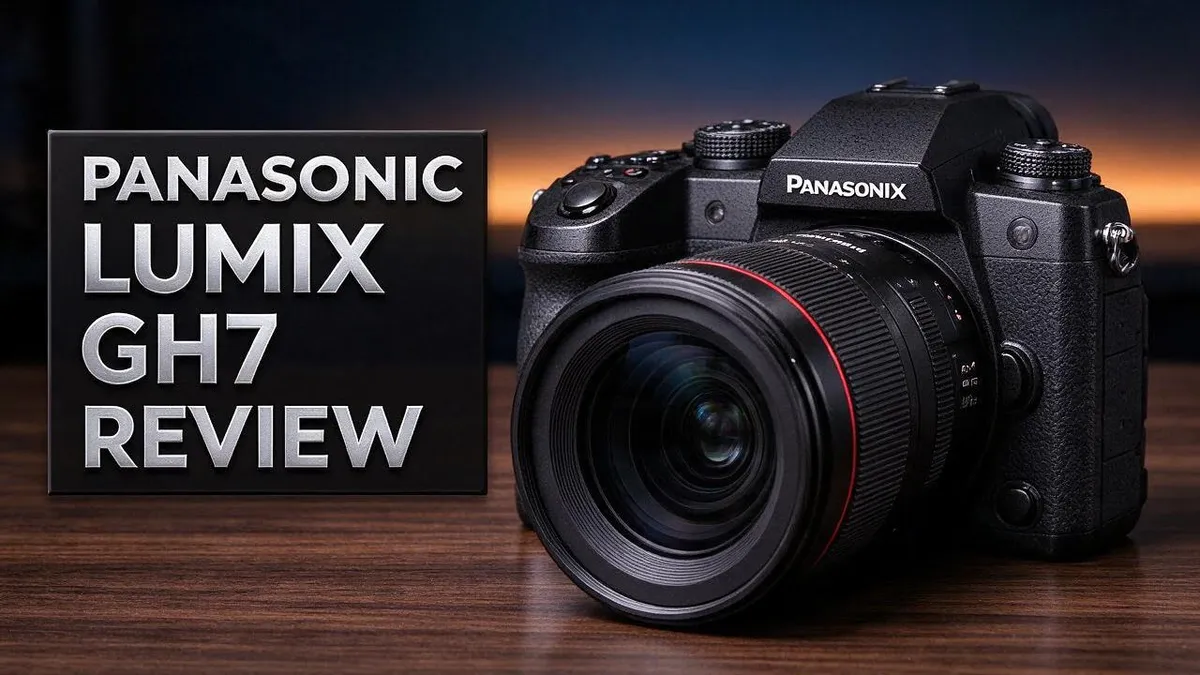
Panasonic Lumix GH7 Review: Don’t Buy Until You See This
Are you looking for a camera that handles serious video and still fits in your bag? The Panasonic Lumix GH7 might be the answer you need.
Micro Four Thirds fans have a new favorite. The camera uses a newly developed 25.2MP BSI CMOS sensor. It also records 5.8K full-sensor open gate footage up to 30p.
Long shoots matter too. The GH7 records without limits up to C4K 60p, thanks to an internal cooling fan. Its IBIS and improved autofocus keep your shots steady and sharp.
Owners say the dynamic range beats the GH6 at low ISO. Is it worth your time? Keep reading to see how it performs in real use.
In a Nutshell
- Top video performance: The camera records 5.8K full sensor open gate footage up to 30p. This lets filmmakers pull sharp detail in post production. Creators can also capture C4K at 60p for smooth motion.
- Cooling for long takes: An internal cooling system lets you record C4K at 60p without stopping. Long interviews and events become easier to capture.
- Steady handheld shots: Image stabilization keeps your footage smooth when you shoot without a gimbal. Handheld footage looks calmer and more natural.
- Faster focus: The improved autofocus tracks moving subjects with more confidence. Action and wildlife shots benefit most from this upgrade.
- Portable and tough: The compact body fits easily in a small bag. It also holds up in harsh weather and dusty spots. Travelers will appreciate the light build.
- Port placement issue: Some users dislike the USB port placed above the HDMI port. This flaw also appeared on the GH6. Anyone who uses HDMI and USB together should plan their cable setup carefully.
Video Recording and Cooling

- Bundle Includes: Panasonic Lumix GH7 Mirrorless Micro Four Thirds Camera with 12-60mm f/2.8-4 Lens, 64GB Memory Card, Soft Bag, Memory Card Reader, Filter Kit, 12 inch Flexible Tripod, Cleaning Kit, Memory Card Wallet, Hand Strap, Lens Cap Keeper
- High-Resolution Imaging with 25.2MP Sensor: The Panasonic Lumix GH7 is equipped with a 25.2MP BSI CMOS Micro Four Thirds sensor, offering outstanding image quality with rich detail and low noise. This sensor is perfect for capturing vibrant photos and videos, whether you're shooting in bright daylight or challenging low-light conditions.
Some of the links on this website are affiliate links, which means that at no additional cost to you, I earn a commission if you click through and make a purchase. I only recommend products and services that I believe will add value to my readers. Thank you for your support!
Heat is a common enemy for video creators. Many cameras slow down or shut off when they get hot.
The Panasonic Lumix GH7 uses an internal cooling system to fight this problem. Why does this matter so much? A stopped camera means missed moments.
Lost footage costs you time and energy. Long shoots feel much easier when your gear stays reliable.
Think about a typical shooting day. A wedding, a wildlife walk, or a street interview can run for hours. You need a camera that keeps rolling from the first scene to the last.
The GH7 holds up in tough conditions. That makes it useful for travel and outdoor work.
Heat from sun, humidity, and long takes can test any camera body.
Smart habits help too.
Keep the camera out of direct sun when you can. Shade the body during breaks so it can cool down.
Let the camera rest between very long takes if the body feels warm. Good habits protect your footage and your gear.
Unlimited recording changes how you plan a shoot. You can roll longer without stopping to check the temperature.
That freedom lets you focus on the story instead of the settings. Less time managing gear means more time capturing great moments.
Creators who shoot alone benefit most from this. There is no need to babysit a rolling camera.
Your hands stay free for framing, audio, and lighting. Confidence grows when your camera never quits in the middle of a scene.
Plan your breaks into the schedule, even with a cool camera. Clean vents and good airflow also support steady performance.
Test your setup before a big shoot. Record a short clip and check how the body feels after ten minutes.
Sensor and Image Quality
Image quality starts with sensor size. The GH7 uses a Micro Four Thirds sensor, which is smaller than full frame. This smaller format keeps lenses light and compact. It also keeps more of your scene in focus at the same aperture.
Color matters just as much as detail. Many creators find skin tones look natural straight out of the camera. Good color means less time fixing footage later. You can spend that time on the edit instead.
Clean files give you room to grade. When shadows and highlights keep their detail, you can adjust the look without breaking the picture.
Resolution also gives you flexibility. Shooting at a higher resolution and scaling down to 4K can smooth fine detail. This approach can help reduce harsh edges in your final picture.
Low light still needs planning. Even a capable sensor benefits from good light.
Add a soft light or open your aperture. These steps keep shadows clean and reduce noise in dark scenes.
Lens choice shapes the final look too. Pick optics that match your style, such as warm vintage glass or sharp modern primes.
Set white balance manually across a shoot. Lock exposure so each take matches the last. Small habits create a consistent look. Your footage will feel unified when you edit.
Think about your final output before you start. If you deliver to streaming platforms, plan your frame rate and resolution early. Matching settings to delivery saves hours of work.
Test your settings before a big shoot. Record a short clip, review it on a large screen, and adjust. A quick test reveals problems you might miss on a small display.
Great image quality comes from the whole setup. The GH7 gives you a strong starting point, and your light, lens, and settings do the rest.
Autofocus and Stabilization
Sharp focus makes or breaks a video. The GH7 pairs improved autofocus with image stabilization built into the body. Together, these tools let you concentrate on framing and timing.
Setup matters more than you think. Spend a few minutes before you roll. Choose the focus area you need, then test it with your actual subject. A quick test shows how the camera behaves in your light and location.
Stabilization works differently from autofocus. The body sensor shifts to counter small shakes. This helps even when you use lenses without their own stabilizer. Your frames stay steadier in crowded spaces, so you spend less time fixing clips.
Movement changes how you use both tools. Slow pans and gentle walks look best with stabilization on. Fast action may need a quicker shutter speed and careful focus tracking.
Keep your subject near the center during walk and talk shots. Smooth focus changes look natural, while sudden jumps can distract viewers. Use focus pulls only when the story needs a shift in attention.
Autofocus also helps when you change angles quickly. Reframing mid scene becomes easier when focus keeps pace with your movement. You can spend more energy on performance and less on the focus ring.
Autofocus and stabilization work best with planning. Practice a short walk and talk before the real take. Watch the monitor for drift, hunting, or soft edges. Then adjust your settings and shoot with confidence.
For solo creators, these features reduce the need for an assistant or gimbal. Still, a tripod helps for fixed interviews. Stabilization and focus together also reduce the strain on your hands and eyes. Less strain means you stay fresh for the final takes of the day.
Check your footage at full size after each take. Zoom in to confirm eyes or edges look crisp. This habit saves you from discovering soft focus during editing.
Top 3 Alternatives
Looking for a strong camera alternative? These three models offer great image quality and useful video features. Each one suits a different type of shooter.
Sony Alpha 6700

- 26.0MP APS-C format Exmor R back-illuminated CMOS sensor
- BIONZ XR processing power for exceptional image quality
Some of the links on this website are affiliate links, which means that at no additional cost to you, I earn a commission if you click through and make a purchase. I only recommend products and services that I believe will add value to my readers. Thank you for your support!
The Sony Alpha 6700 gives you fast autofocus and sharp 4K video. It uses an APS-C sensor that delivers clear, detailed photos. Vloggers and hybrid creators often pick this camera for its flip screen and reliable subject tracking. Its compact body also fits easily in a bag. Many users praise its long battery life for full day shoots.
Fujifilm X-T50

- Dedicated Film Simulation dial offering fast access to 20 Film Simulations (including REALA ACE mode)
- 40.2-megapixel X-Trans CMOS 5 HR sensor

Some of the links on this website are affiliate links, which means that at no additional cost to you, I earn a commission if you click through and make a purchase. I only recommend products and services that I believe will add value to my readers. Thank you for your support!
The Fujifilm X-T50 focuses on classic style and creative control. Its dials feel smooth and make settings quick to change. Street and travel photographers love the film simulation modes that add rich colors straight out of camera. The camera also feels light and easy to carry on long walks.
Canon EOS R7

- DIGIC X IMAGE PROCESSOR: Enhances performance for sharp photos and ultra-high definition videos
- CMOS SENSOR: Canon’s 32.5 mp APS-C CMOS sensor ensures images appear crisp
Some of the links on this website are affiliate links, which means that at no additional cost to you, I earn a commission if you click through and make a purchase. I only recommend products and services that I believe will add value to my readers. Thank you for your support!
The Canon EOS R7 offers speed and precision for action shots. It shoots fast bursts and tracks moving subjects with ease. Wildlife and sports fans rely on its telephoto reach when using compatible lenses. Its weather sealing helps in tough outdoor conditions. Its dual card slots also help you store large files with confidence.
Choose the camera that matches your style. Each option above brings something unique to the table. Try them in a store to see which one feels right in your hands.
Size, Handling and Ports
The Panasonic Lumix GH7 feels compact in your hand. Its small body fits easily into a bag. You can carry it all day without much strain.
The grip is deep enough for a secure hold. Your fingers rest naturally on the front. This matters when you shoot handheld for long periods.
Balance is another strength. Micro Four Thirds lenses are lighter than full frame glass. A light lens pairs well with the small body, so the whole setup stays nimble. You can switch angles quickly without feeling weighed down.
Button placement takes a little time to learn. Controls sit where your thumb can reach them. Practice changing key settings with one hand before a shoot. This habit saves time when the light changes fast.
Ports need closer attention. The USB C port sits above the HDMI port. This placement is a known design flaw. Owners flagged it, and the GH6 shares the same layout.
Why does this matter? A thick HDMI cable may press against the USB C plug. Some cables may also block a clean connection. Test your cables before you rely on them during a paid job.
Plan your cable setup early. Choose a slim HDMI cable with a right angle connector. Tie cables down so they do not pull on the ports. Gentle handling protects both sockets over time.
The body also works well with accessories. Cages and handles mount without much fuss. Your rig stays tidy, and you can adjust it in seconds.
Handling and ports work together. A comfortable grip matters less if cables fight you. Spend a few minutes on setup before you roll. Then the camera feels natural, and you can focus on your subject.
Value and Pairing Options
The GH7 fits into many camera setups. It can act as a main camera or a second angle for your project.
Pairing it with the RED Komodo creates a strong two camera setup. The Komodo works as a partner here, not a rival.
Many creators use the GH7 as a nimble camera. It handles fast moving scenes, while the Komodo covers planned shots with a bigger sensor.
Matching frame rates and color profiles before you edit saves time later. Mixed footage cuts together far more smoothly.
Audio is another area worth planning for. A shotgun microphone or a wireless lavalier mic gives clear sound in busy places.
Small LED panels also make a good match. Their light weight suits the compact body, so your kit stays easy to carry.
A sturdy tripod keeps locked shots steady. A slider adds smooth side moves when you want extra motion.
Memory cards deserve a closer look too. Fast cards keep long recordings stable, so you spend less time worrying about write speeds.
An external monitor helps when you shoot alone. A bigger screen lets you review framing and focus from a distance.
Backup drives protect your footage after each shoot. Copy files to two drives before you format any card.
Check that your editing program supports the file types the camera records. This simple check prevents frustrating delays during post production.
These options suit hybrid shooters, documentary makers, and event filmmakers. Each group gets a clear path to build a kit that fits their work.
Start with one accessory at a time. Add gear as your projects grow, and learn each piece before you rely on it during a client shoot.
Pros and Cons
Pros
- Records 5.8K full sensor open gate video up to 30p.
- Runs unlimited C4K 60p recording thanks to the internal cooling fan.
- Captures a wide dynamic range at low ISO, which owners say beats the GH6.
- Holds up well in tough shooting conditions.
- Works with a wide range of Micro Four Thirds lenses for flexible framing.
Cons
- The USB C port sits above the HDMI port, a layout owners flag as a design flaw.
- Owners say this same port placement carried over from the GH6.
- The smaller Micro Four Thirds sensor gives less background blur than full frame cameras.
- Reviews list few other drawbacks, so test the handling before you commit.
Who Should Buy It
The GH7 suits video-first creators. If moving images matter most, this camera deserves a spot on your shortlist. It fits vloggers, filmmakers, and educators who publish video on a regular schedule.
Solo creators often gain the most. You can set up a shot, press record, and step into the frame without a camera operator. This makes it easier to film tutorials, talking head videos, and product demos alone.
Hybrid shooters also benefit. Many people take still photos for social media and video for clients. One body that handles both jobs can simplify your gear list and reduce the number of batteries and chargers you carry.
Beginners who want room to grow will appreciate the range of video modes. You can start with simple recording and explore higher frame rates and advanced settings as your skills improve. Learning on this camera means you are less likely to outgrow it quickly.
Travelers form another strong group. A camera that handles mixed lighting and stays manageable in a day bag helps on long trips. You can capture city walks, markets, and landscapes without carrying a heavy kit.
Documentary shooters who move quickly through crowds or changing outdoor locations also find it useful. A flexible system lets you react fast when a moment unfolds in front of you.
Some buyers should look elsewhere. If you need the shallowest depth of field for portraits, a full frame body may serve you better. Studio photographers who print very large files might also prefer a camera with higher resolution. Think about your main subjects and your output before you commit.
Ask yourself one simple question. Will you use video most of the time? If the answer is yes, this camera will likely fit your work well.
Final Verdict
The Panasonic Lumix GH7 earns a strong place in the Micro Four Thirds lineup. It brings modern video tools into a compact body. Most creators will find it ready for real projects right away.
Our overall view is simple. The GH7 suits creators who shoot a lot of motion and want fewer compromises. It keeps pace with busy schedules and changing scenes.
Think about how you work every day. A camera that feels good in your hands gets used more often.
The GH7 stays light enough for long days. You may bring it everywhere you go.
Think about how you will learn the menus too. Spend a weekend with the settings before a paid job. Muscle memory helps you catch moments that disappear fast.
Rent or borrow before you buy. A short trial reveals how the grip, buttons, and screen feel to you.
Online specs cannot show that comfort level. Hands on time brings real clarity.
Future plans also matter. If your projects grow in size or client demands rise, pick a body that can keep up.
The GH7 handles a lot, yet your goals should guide the choice.
Who should walk away? Hobbyists who only shoot family photos may not need this level of video power. Their time may go further with a simpler camera.
Confidence grows with each shoot. Early clips may feel rough, yet they teach you more than any manual. Keep a log of what worked and what did not.
Many pros also keep a simple checklist. It covers battery levels, settings, and lens cleaning before each job. This habit prevents small mistakes from ruining a shoot.
In the end, the GH7 offers a dependable and capable tool. Test it, practice with it, and let your next project decide. Your footage will show whether it fits your creative style.
Frequently Asked Questions
Does the GH7 keep up with fast moving subjects?
Yes, the improved autofocus helps keep moving subjects sharp. Owners often mention it as a highlight. Test it with your usual subjects before you rely on it for an important shoot.
Which resolution should I choose for everyday shooting?
The 5.8K full sensor open gate mode works well when you want room to crop later. Choose C4K 60p when smooth motion matters more than extra detail. Pick the mode that fits your final delivery format.
Can I use the GH7 alongside another camera?
Yes, reviewers often cite the RED Komodo as a pairing partner. Using two bodies lets you capture two angles of the same moment. Sync your footage early so editing stays simple.
Is the GH7 useful for still photos too?
The 25.2MP sensor offers enough detail for most online images and many prints. Still shooters can use the camera without switching gear. Try both photo and video modes during your trial to see which one feels more natural.

Welcome to The File Fix. I’m Millie, and I review tech so you don’t have to suffer buyer’s remorse.
Navigating the endless sea of Amazon devices and gadget releases can feel like a full-time job. That’s why I do the heavy lifting. I dig past the unreliable 5-star reviews and shiny spec sheets to test how these devices actually hold up in the real world. Whether you’re looking for the best budget earbuds, a reliable power bank, or the latest smart home gear, you’ll find honest, no-nonsense breakdowns here.